Art, Activism, Policy, Power: Digital Exhibition
Urban Tree Canopies
Curated by Kyli Hawks, Jay W. Boersma Arts Education Fellow
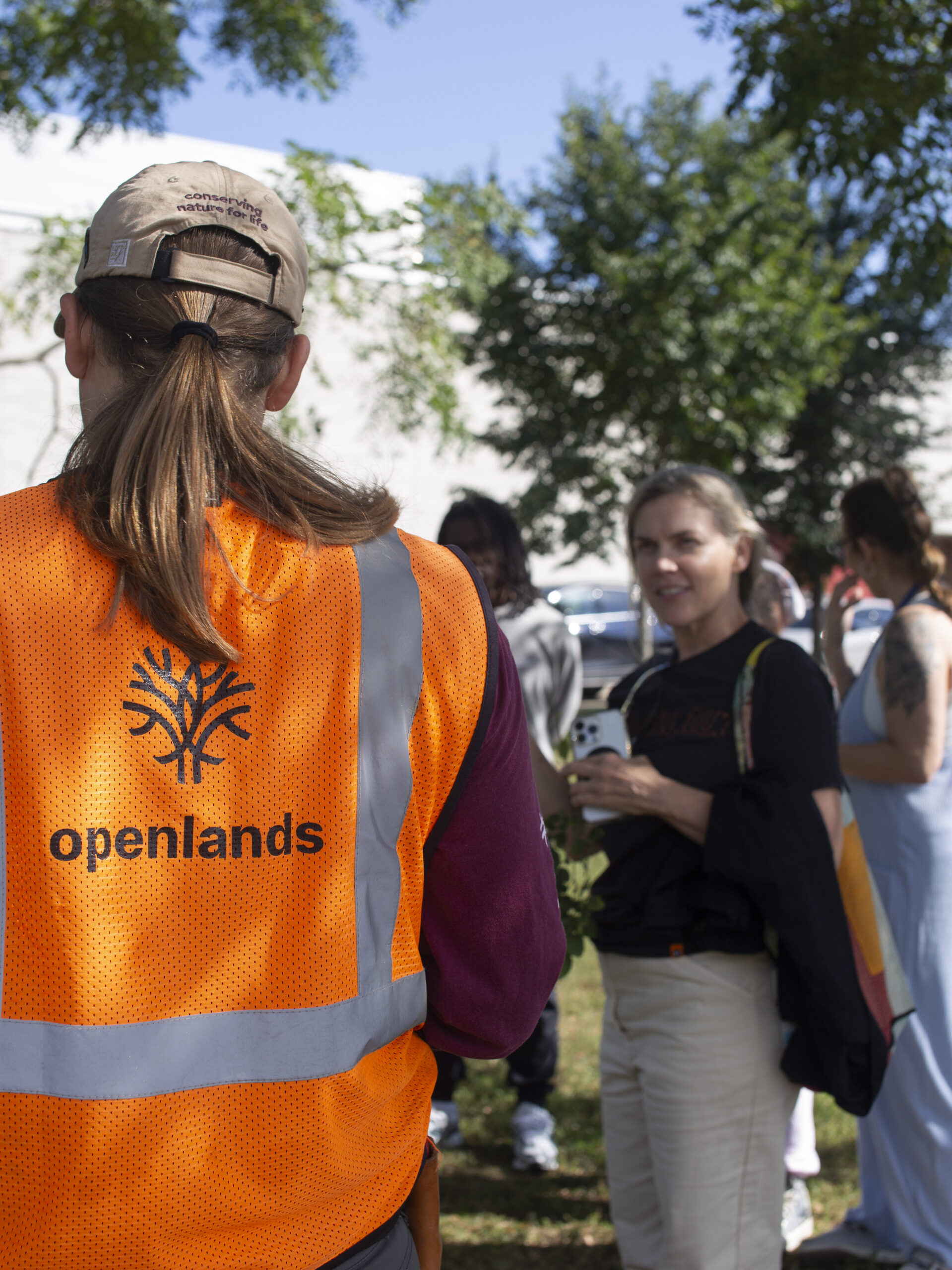
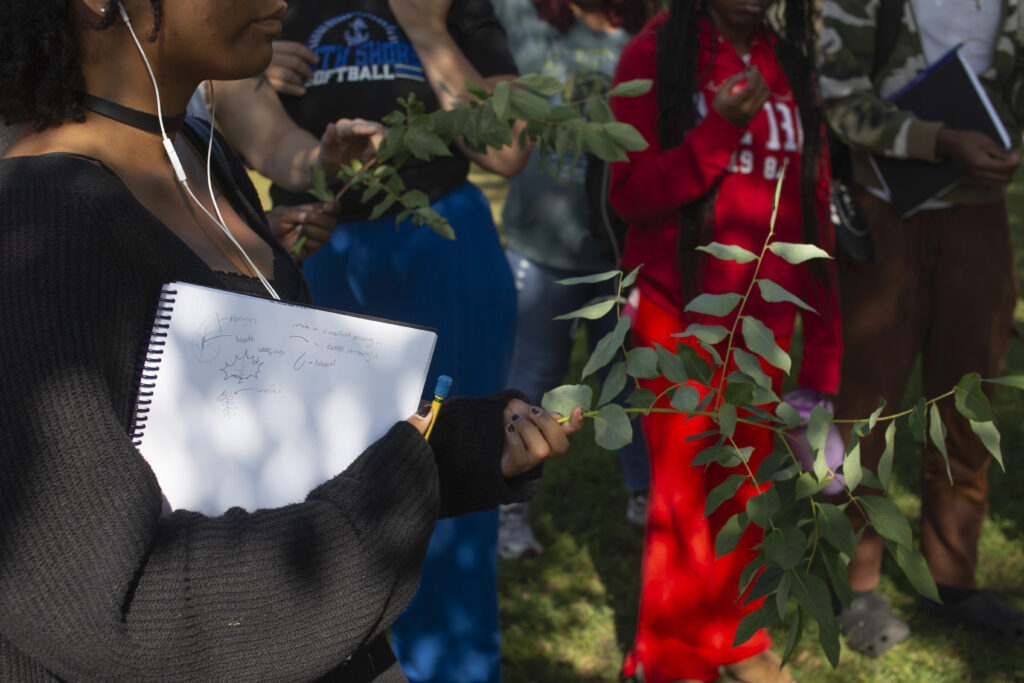
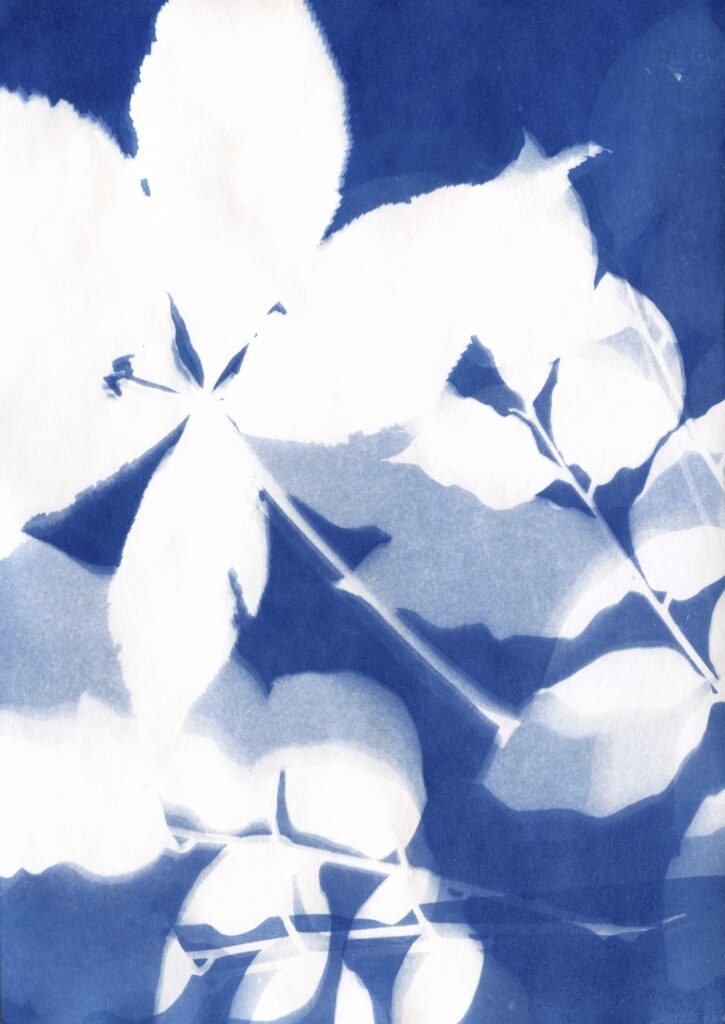
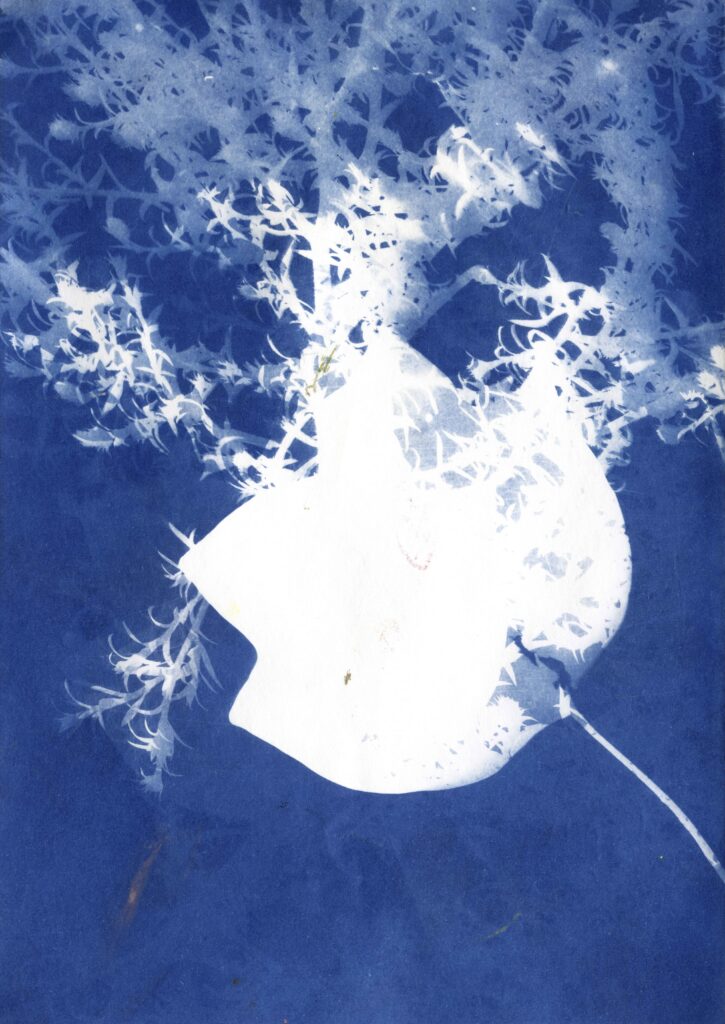
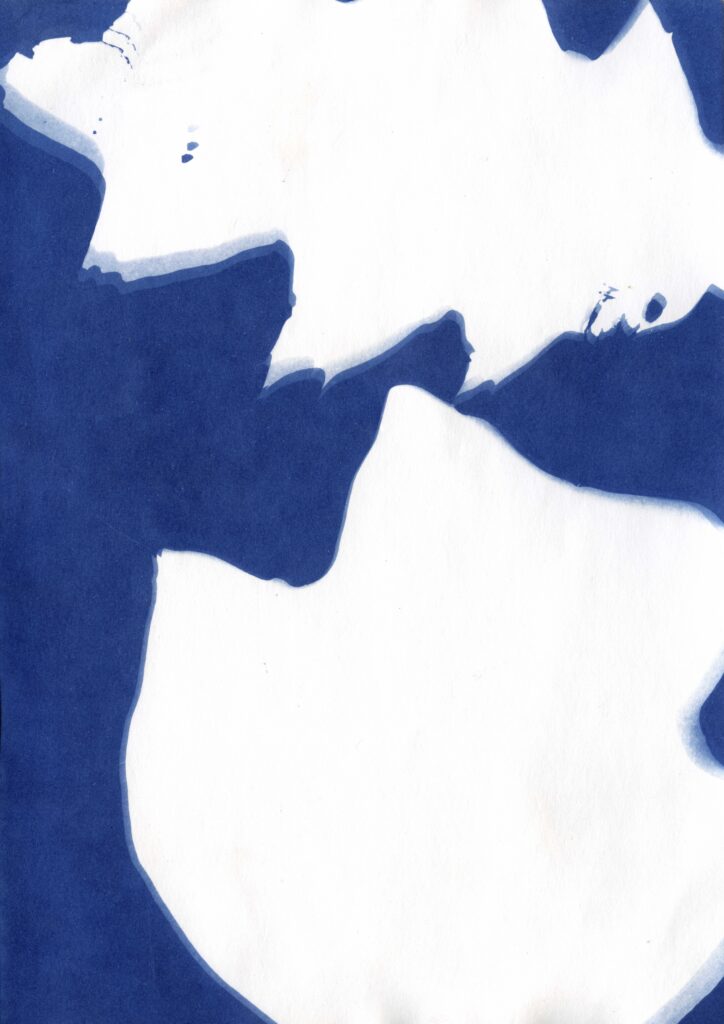
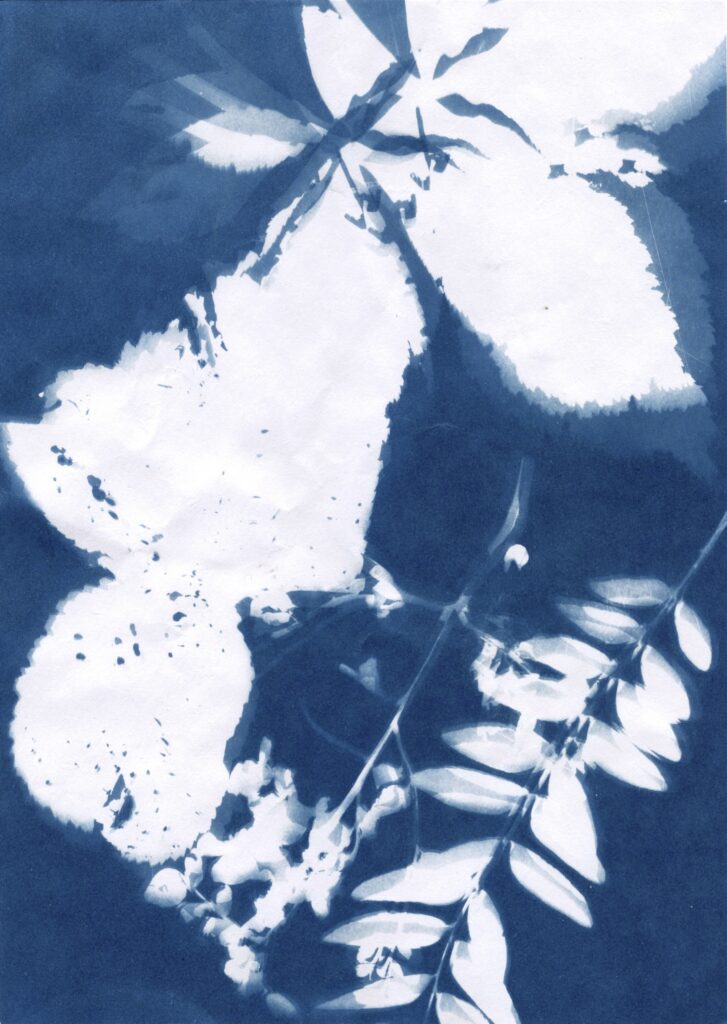
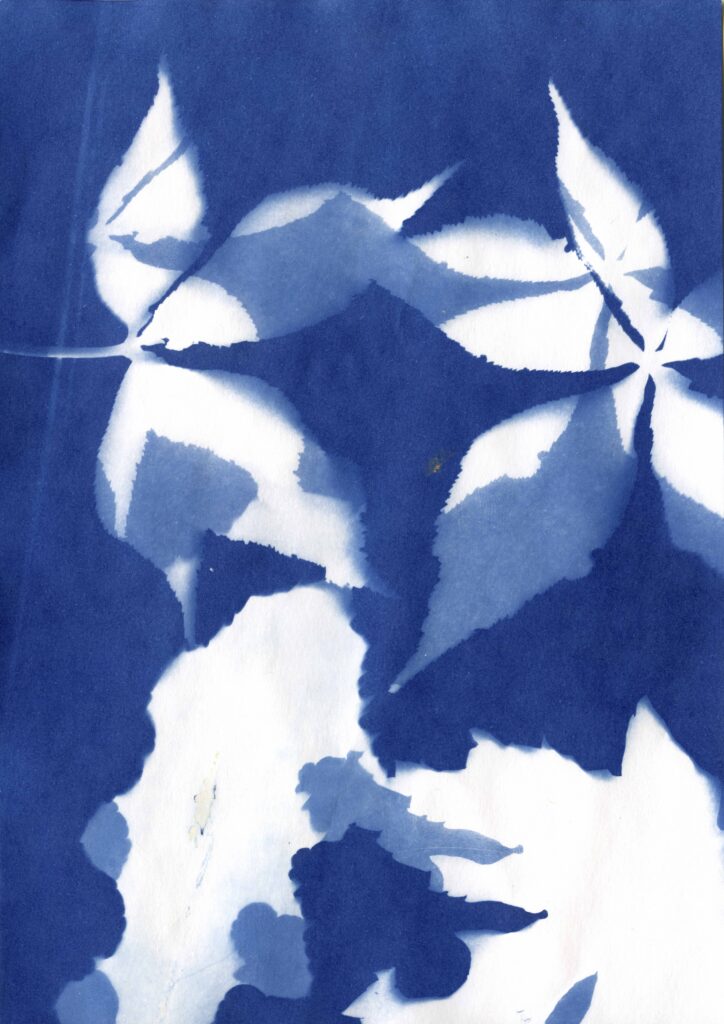
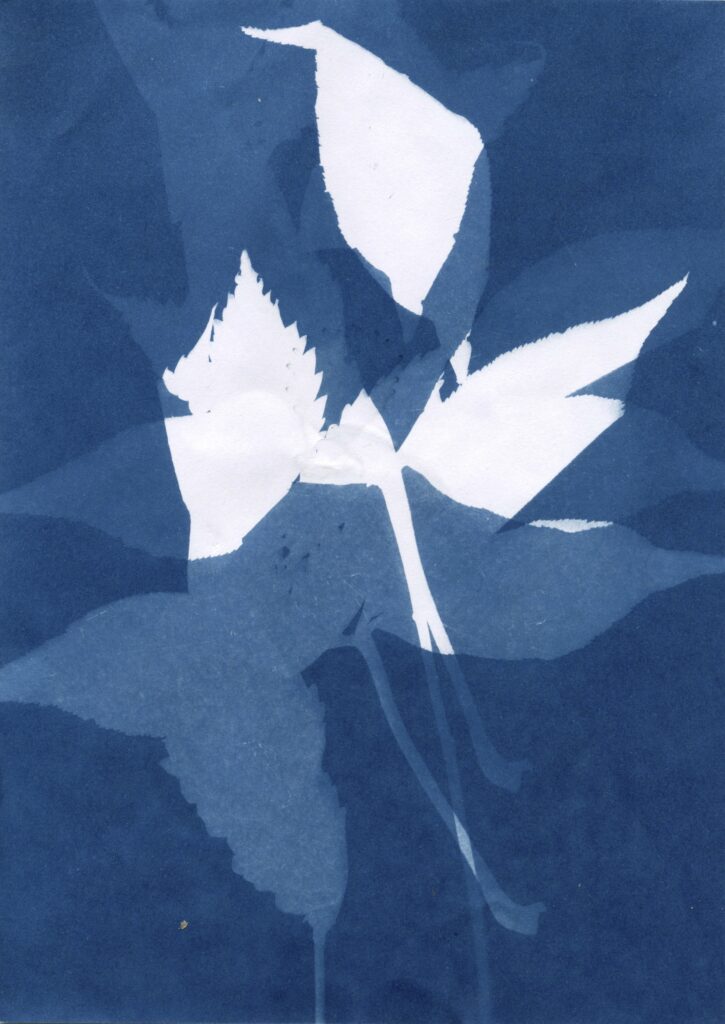
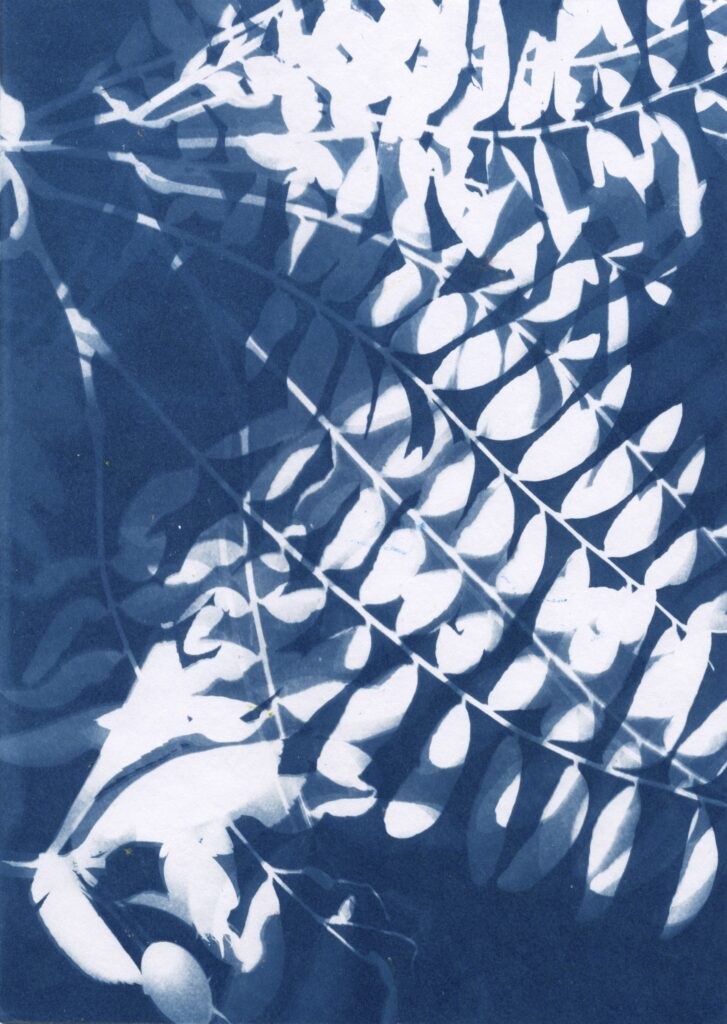
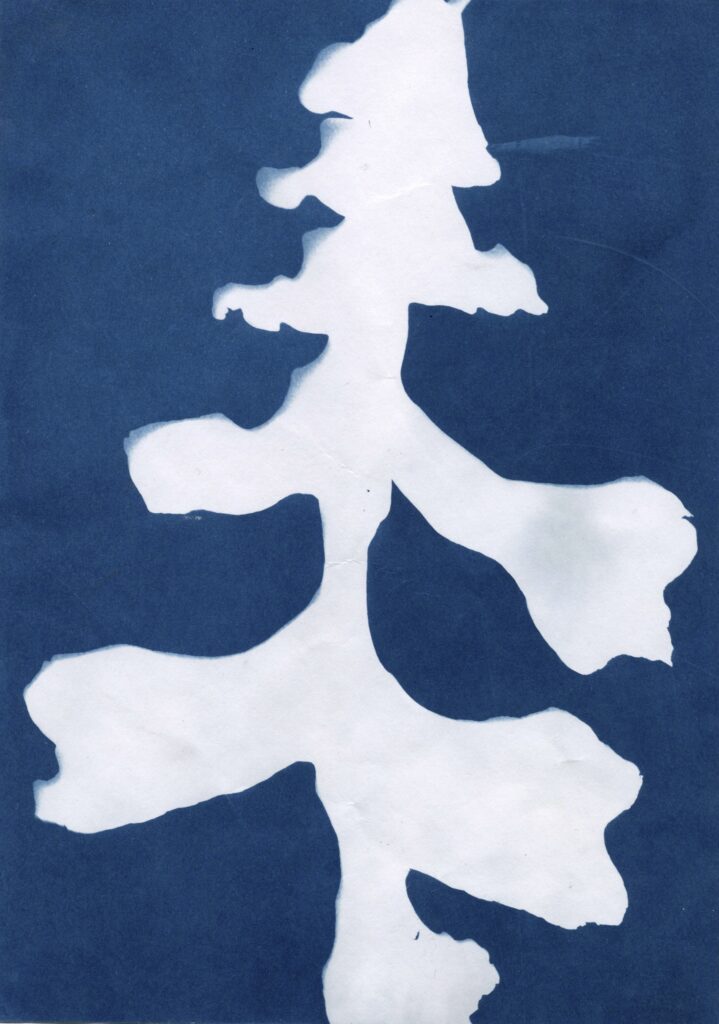
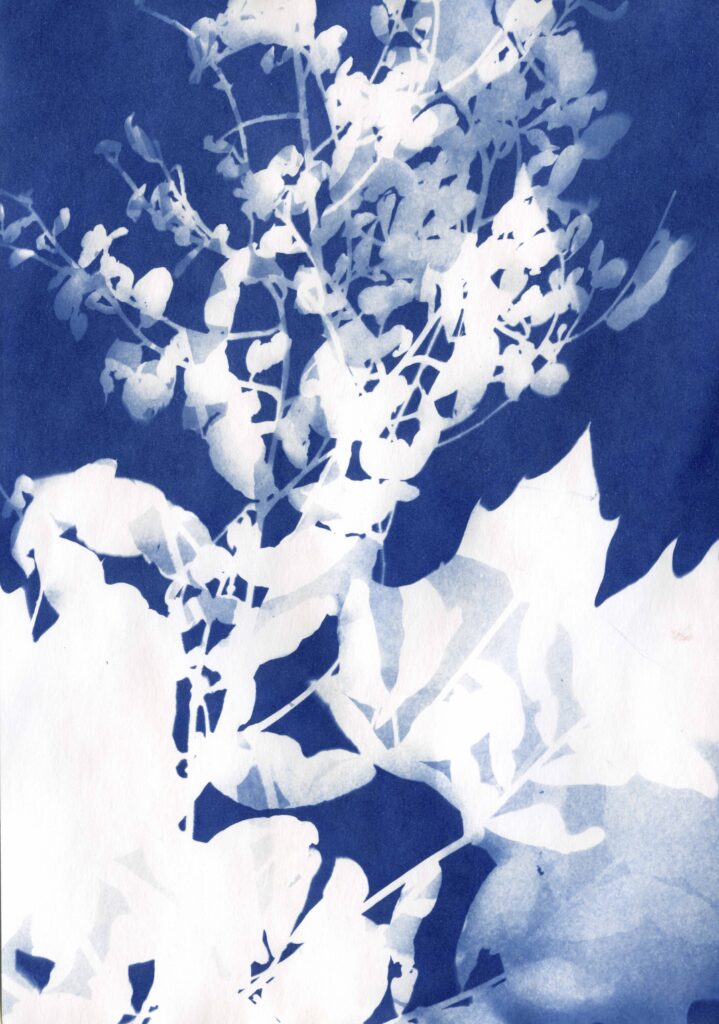
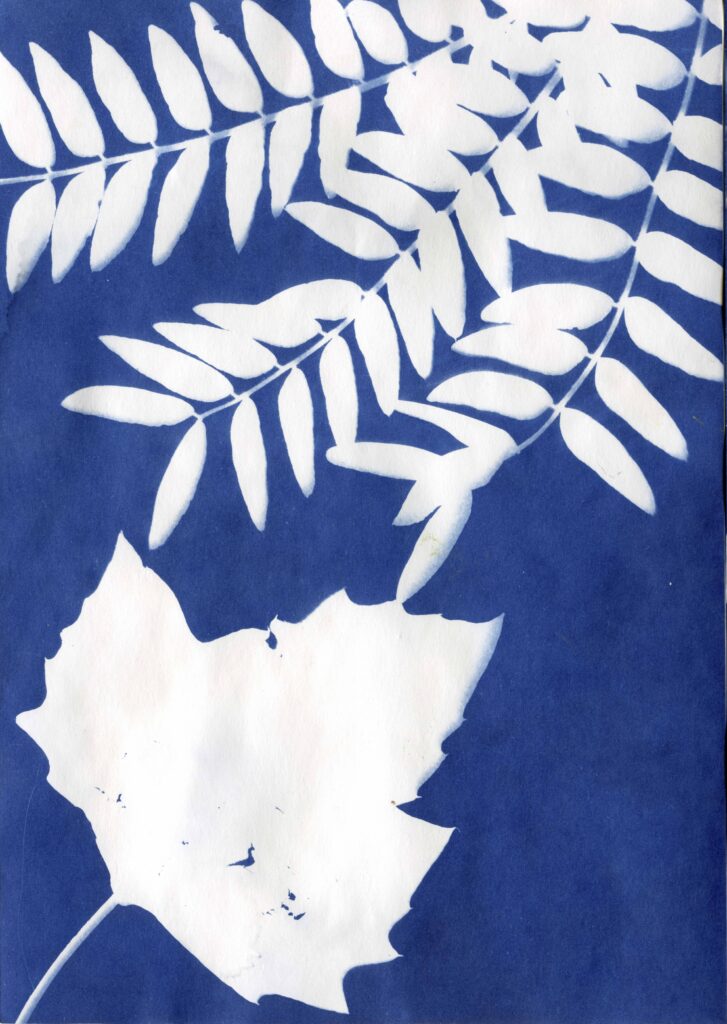
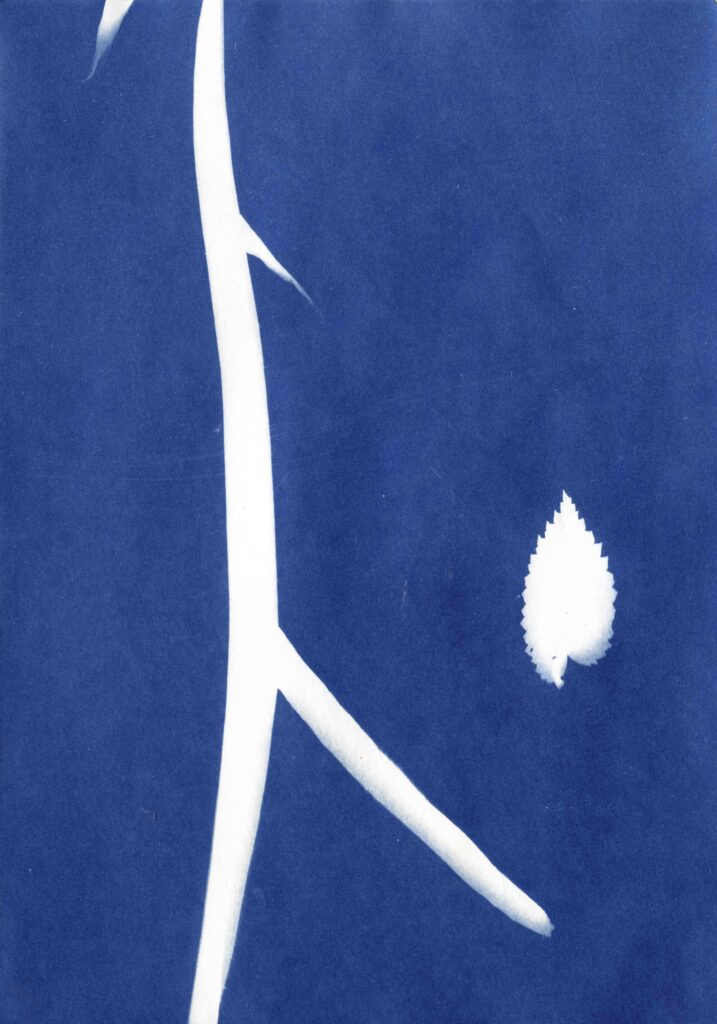
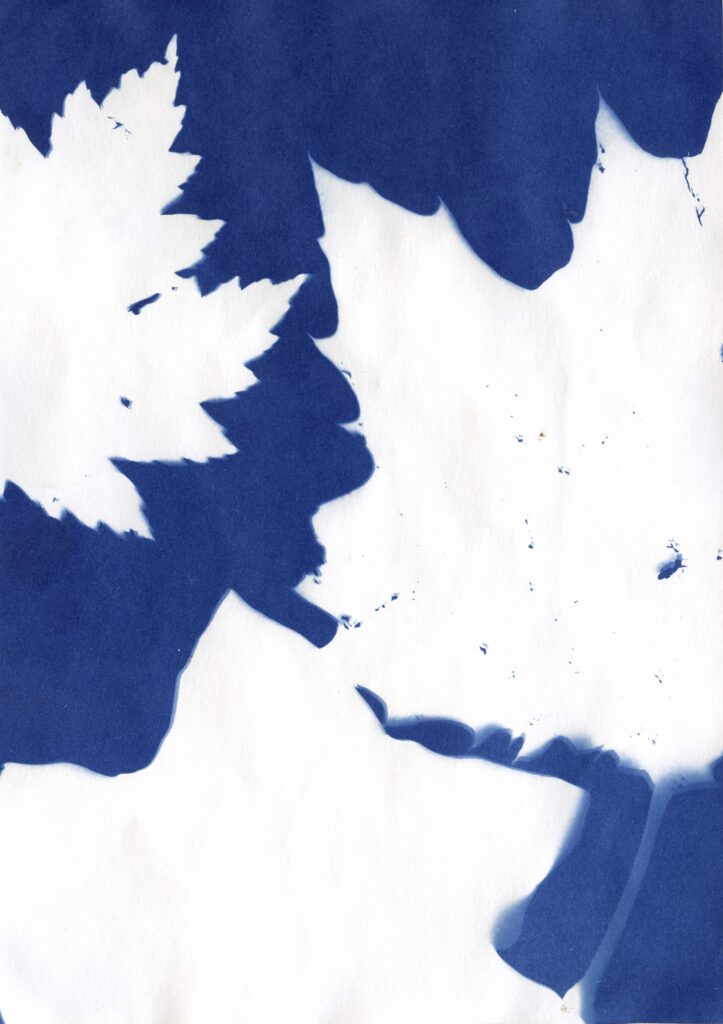
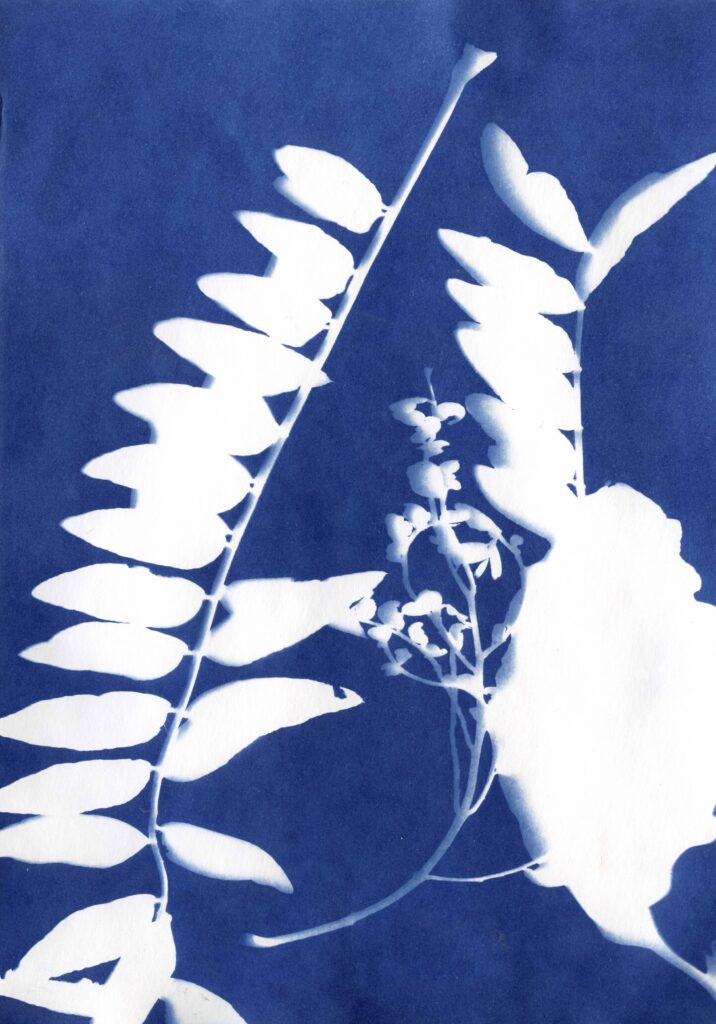
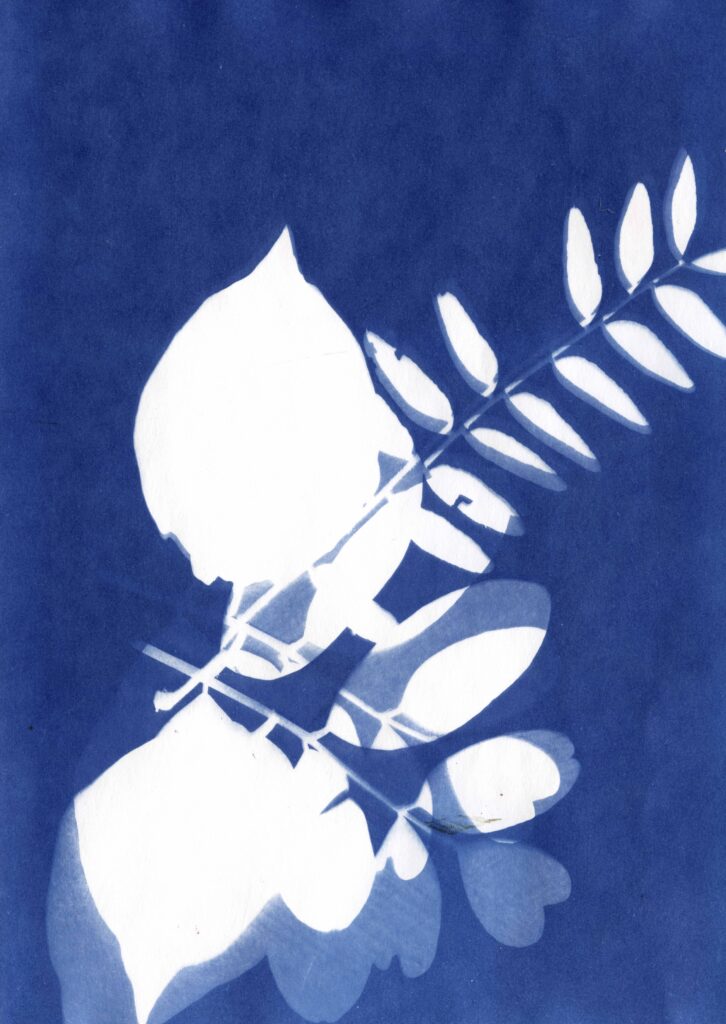
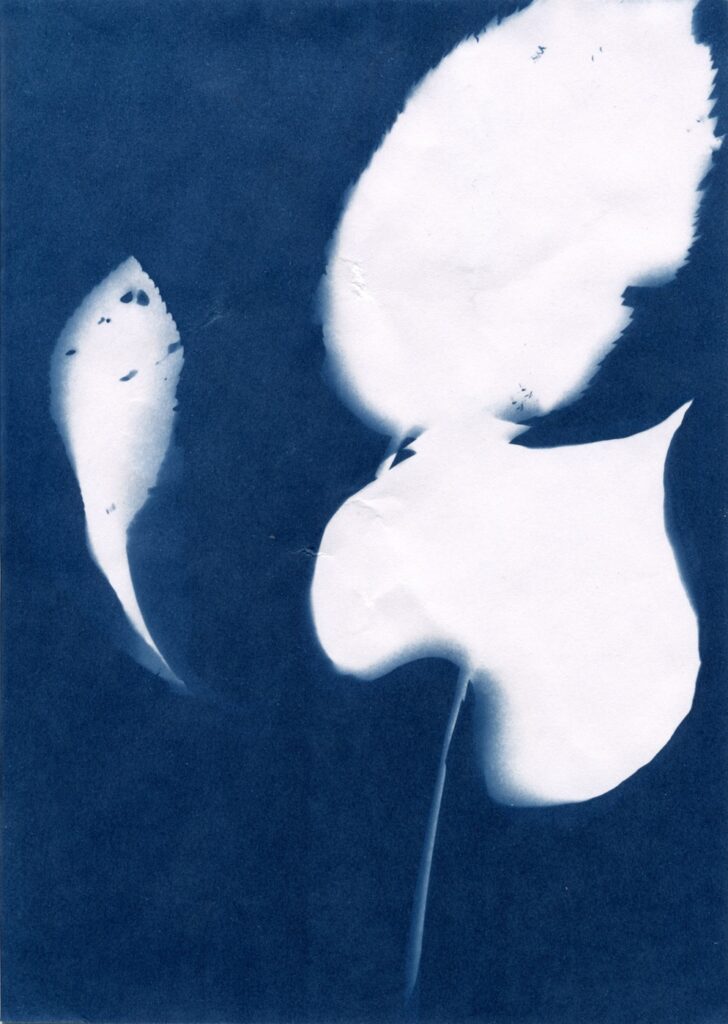
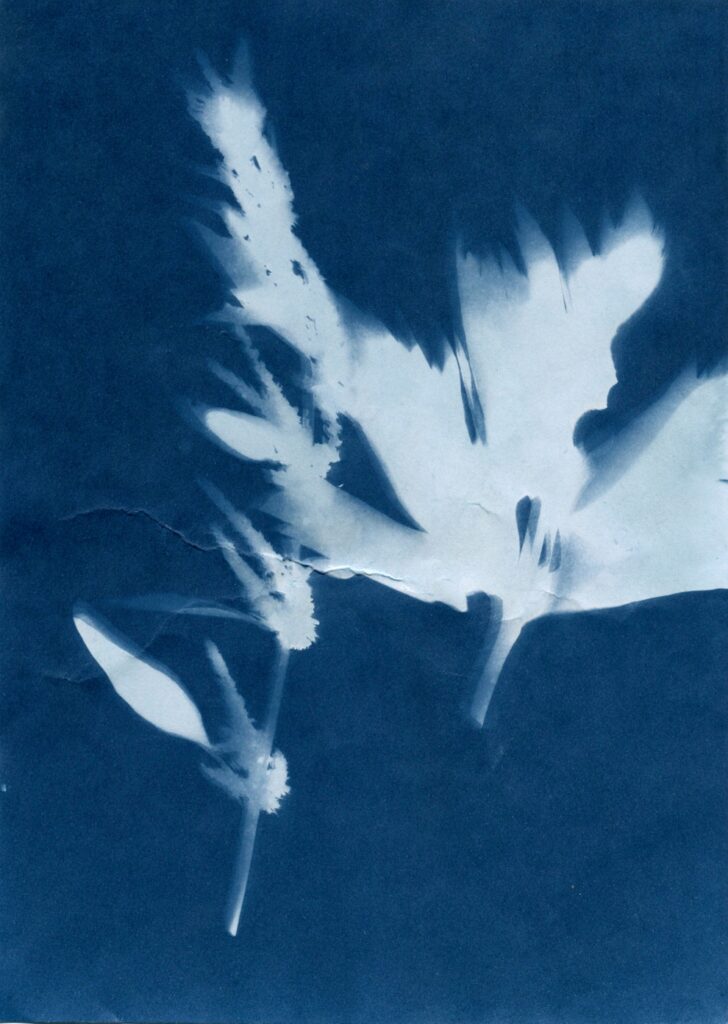
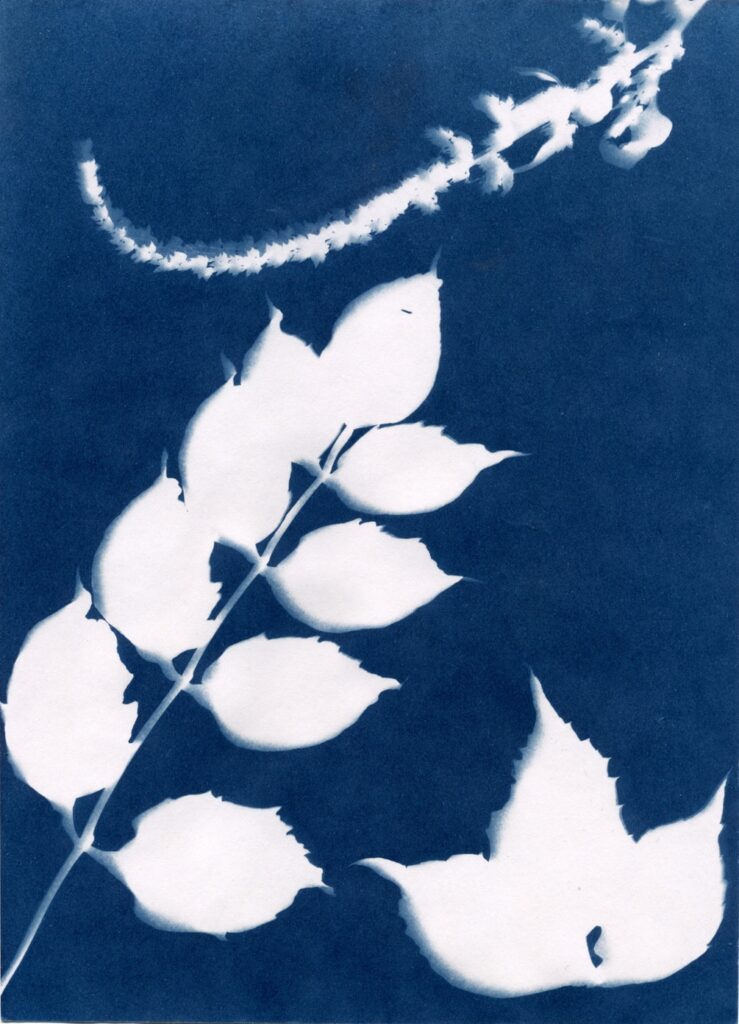
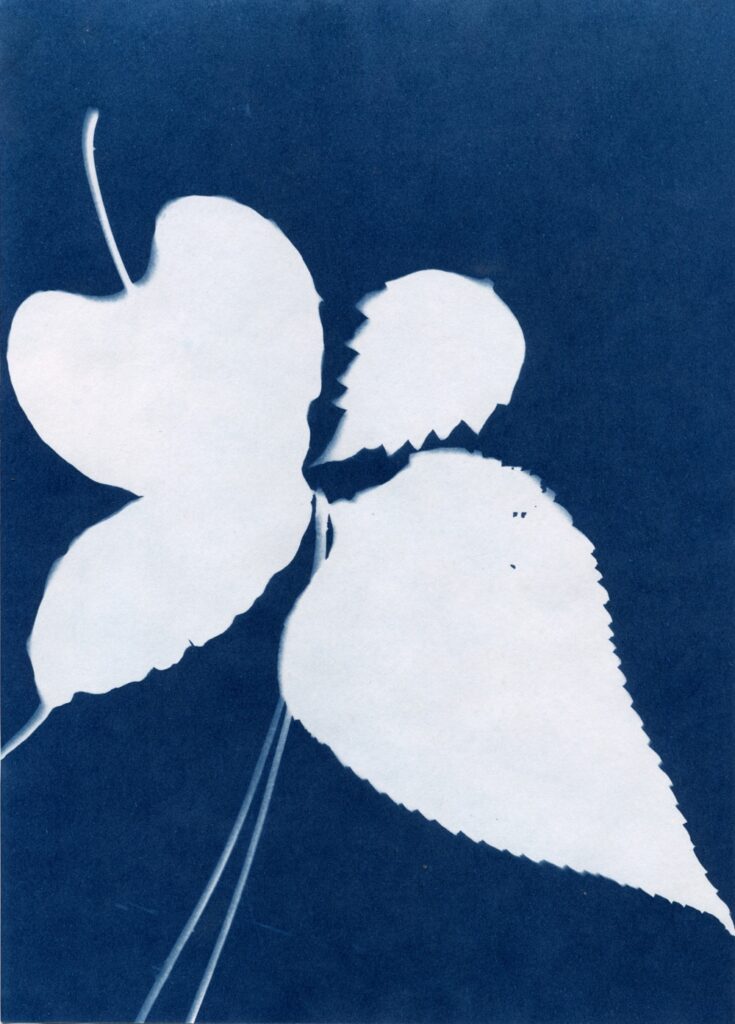
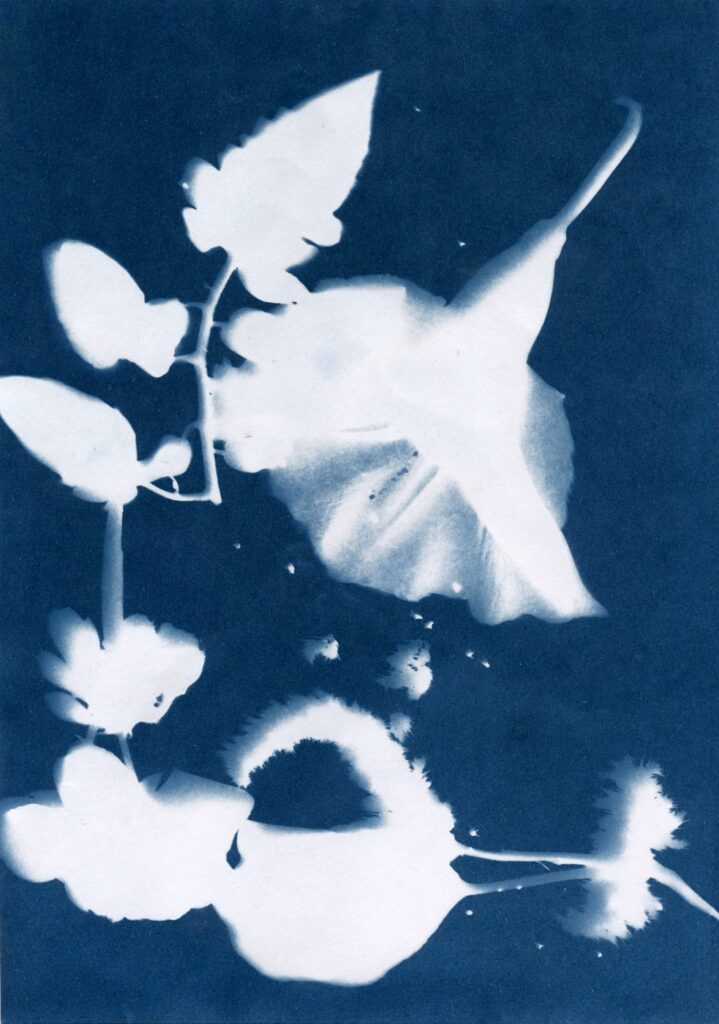
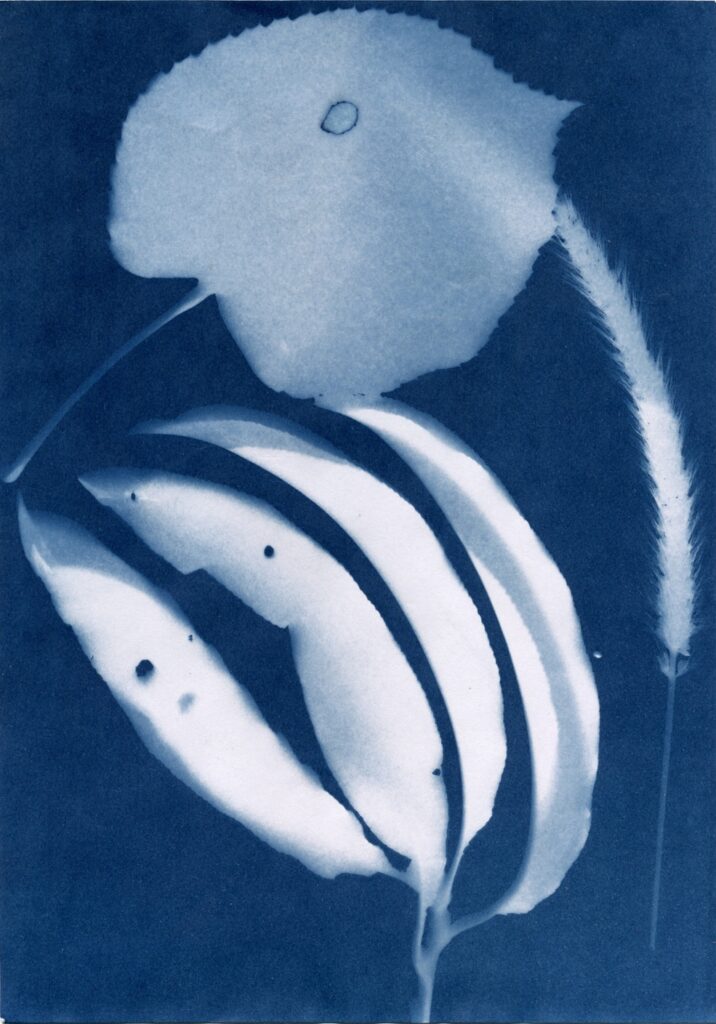
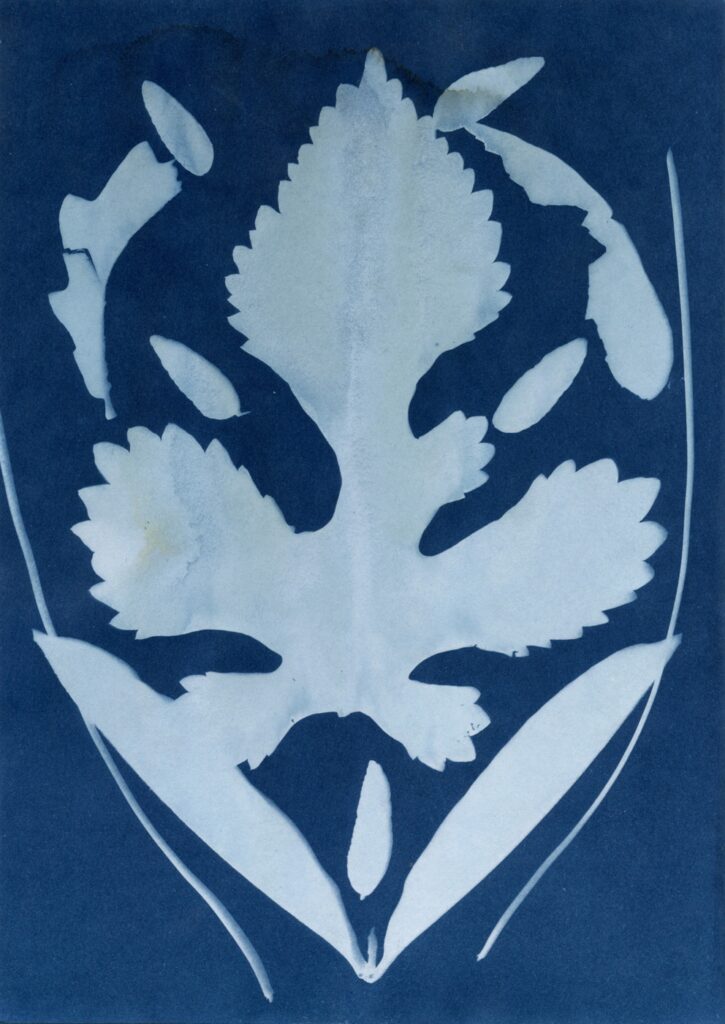
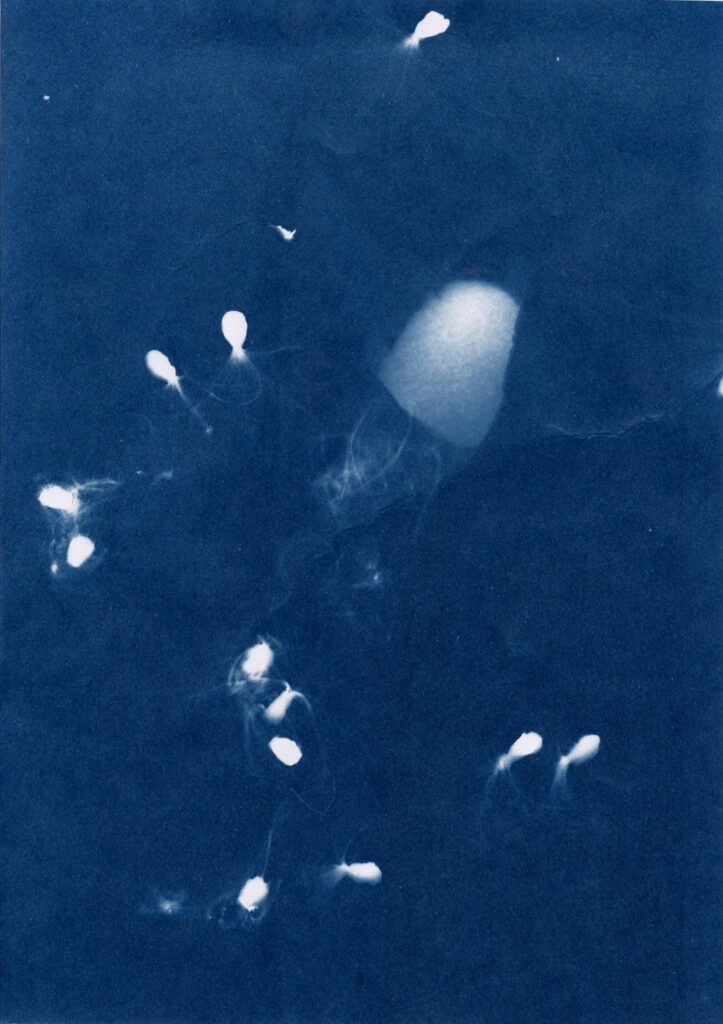
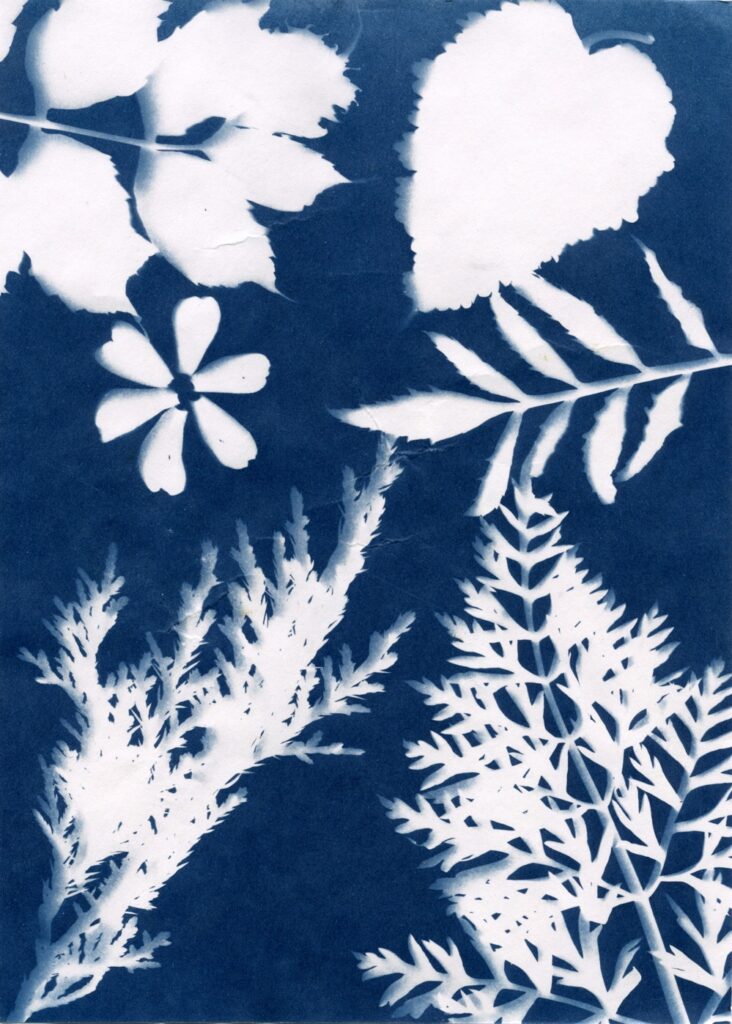
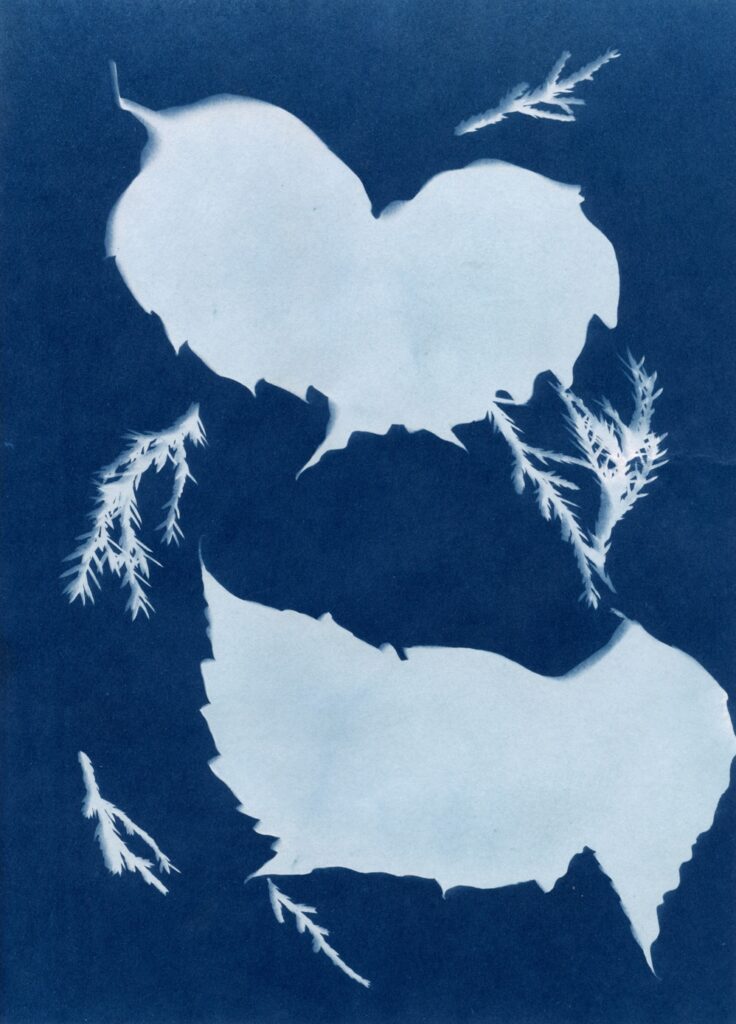
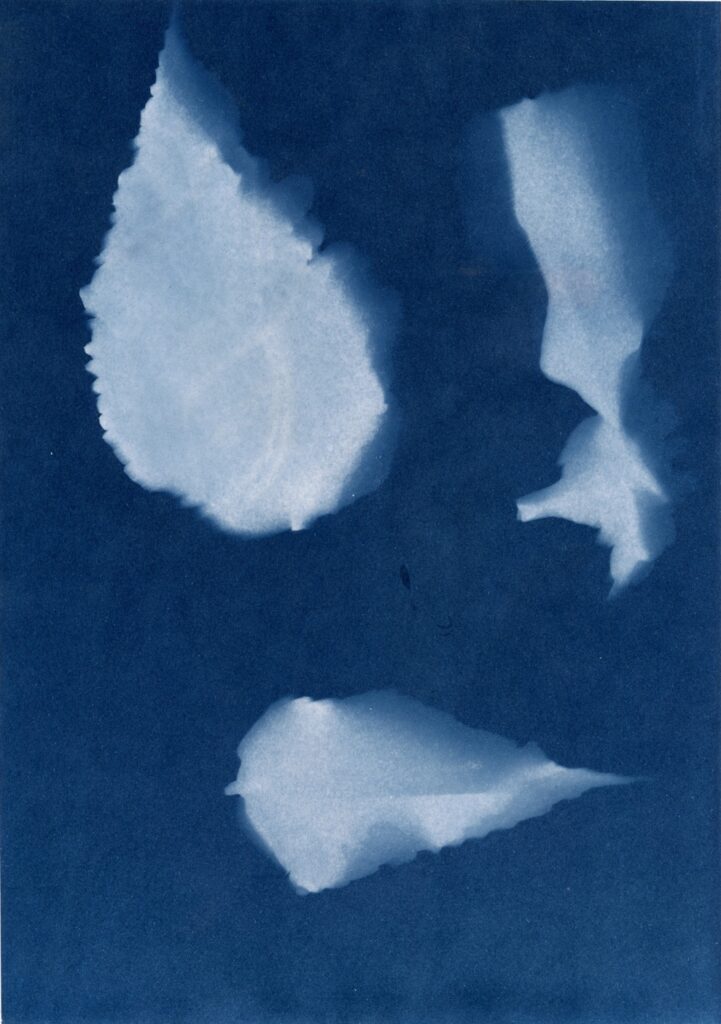
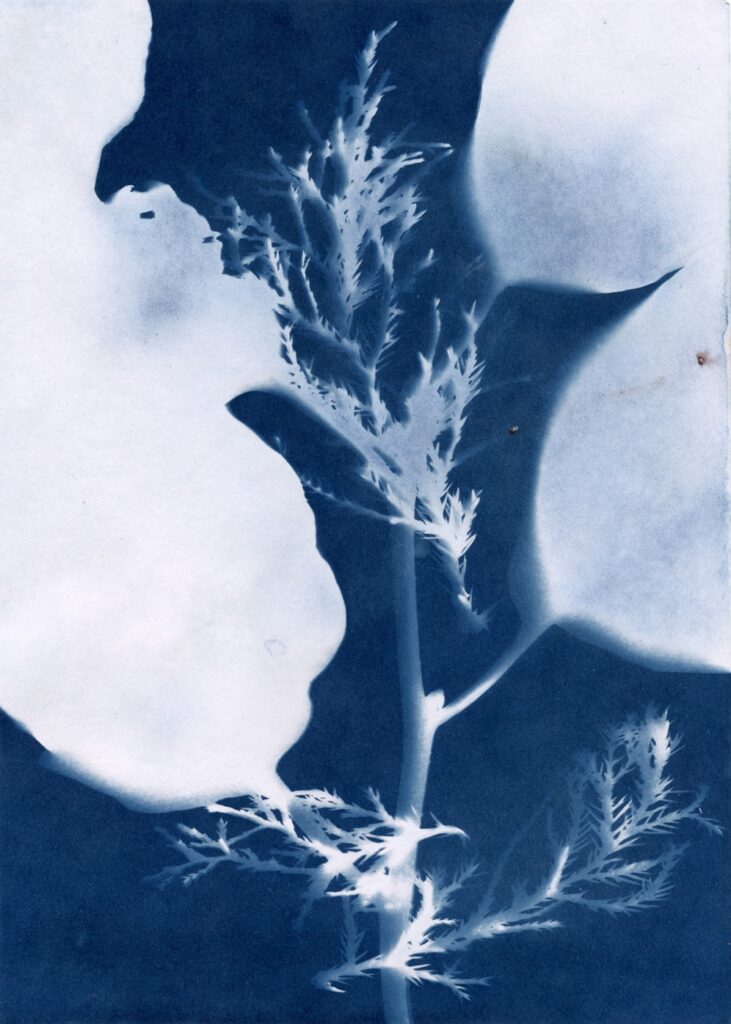
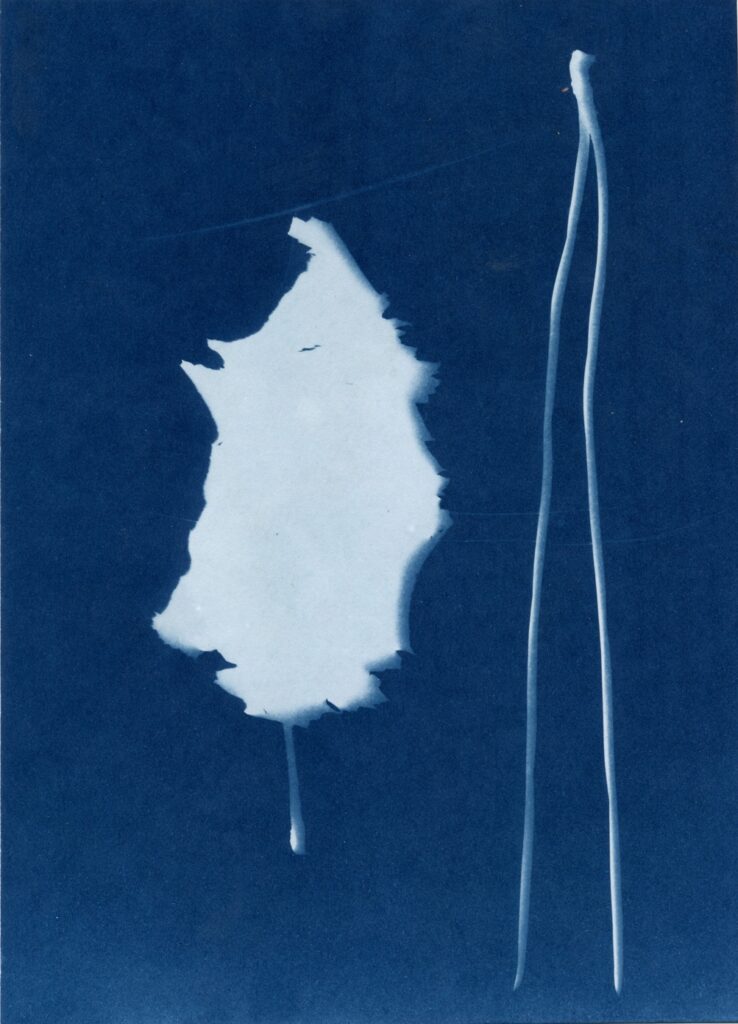
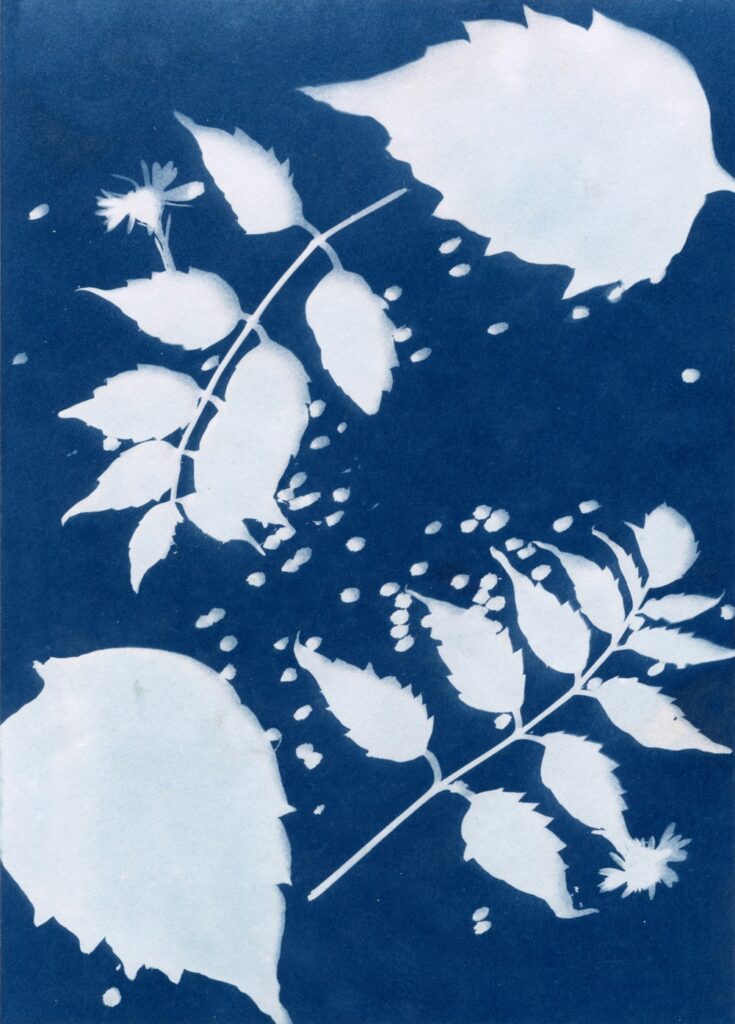
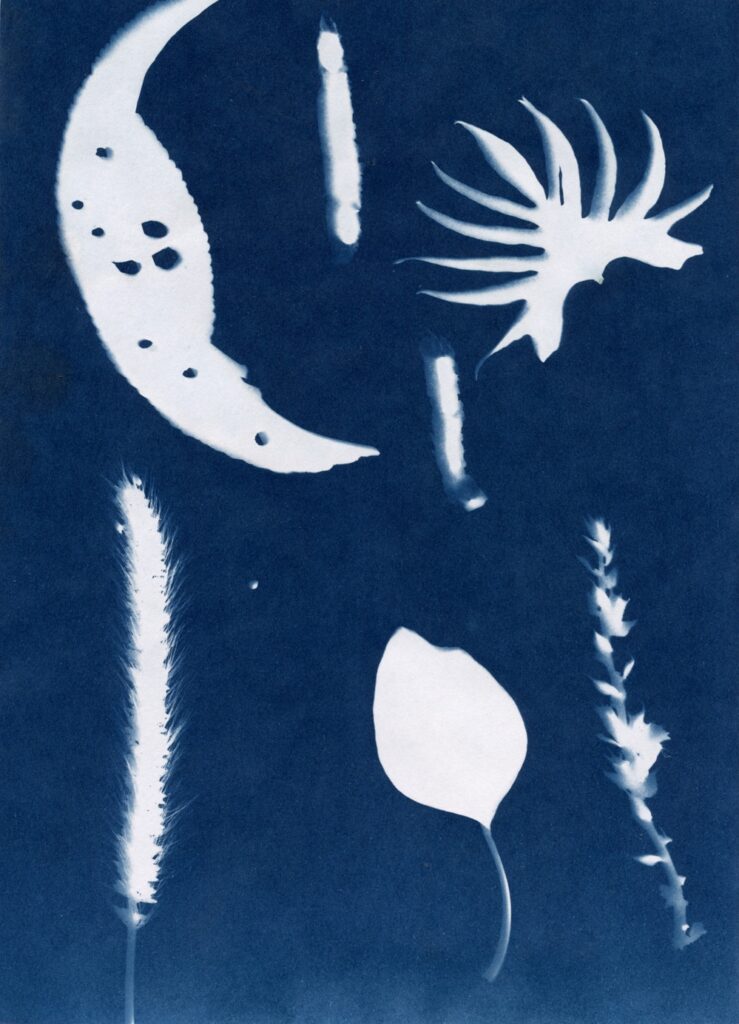
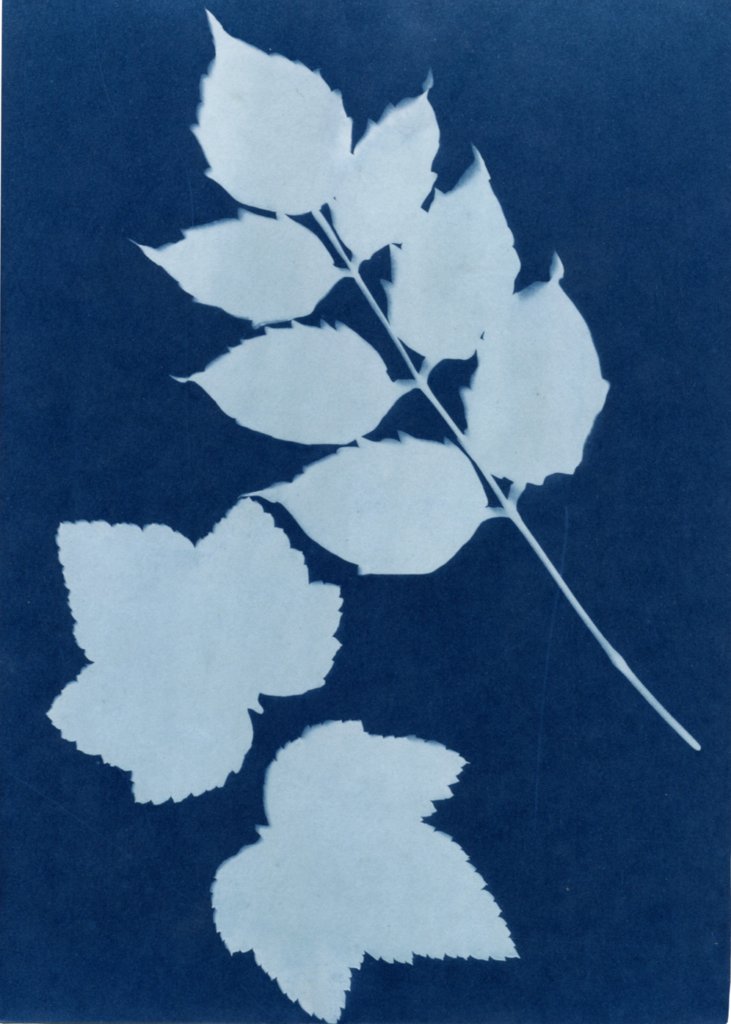
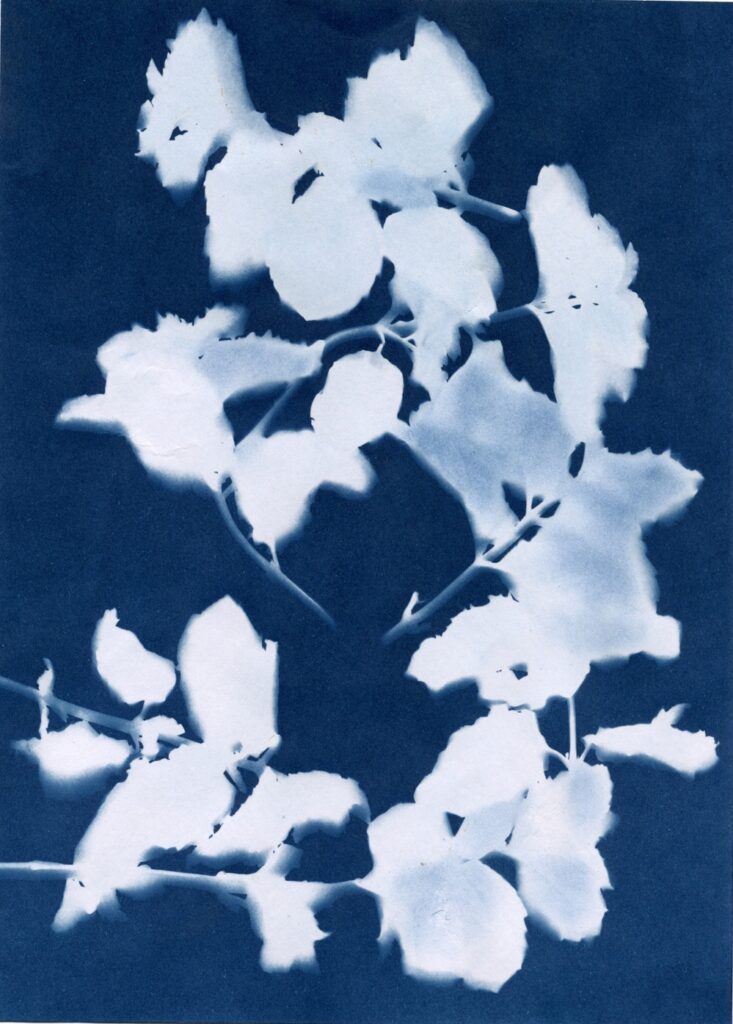
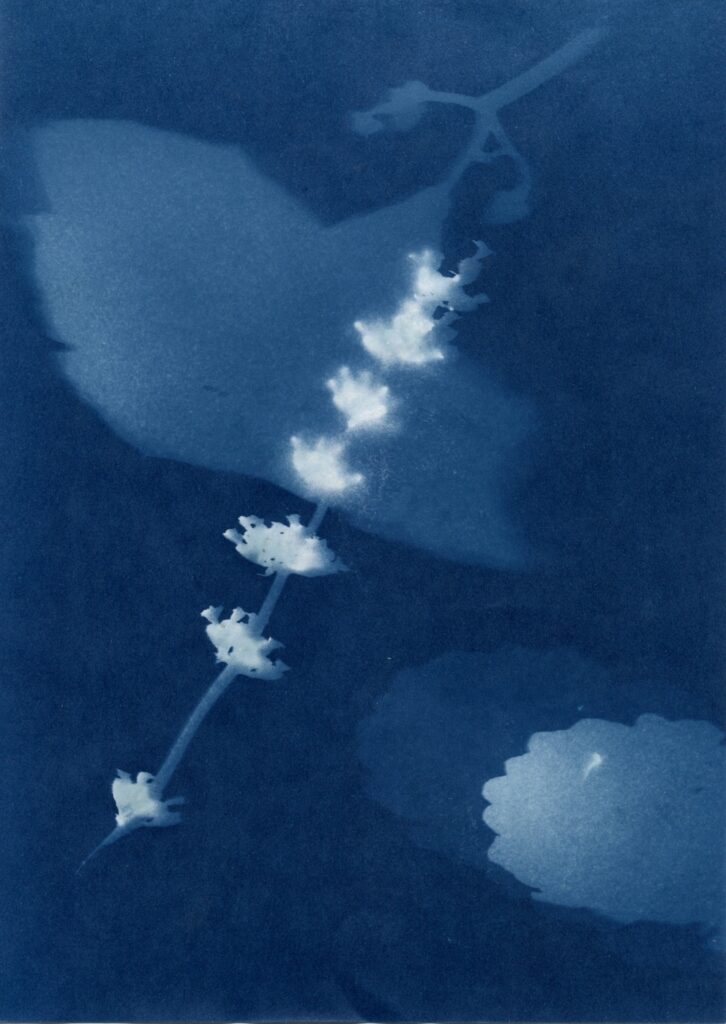
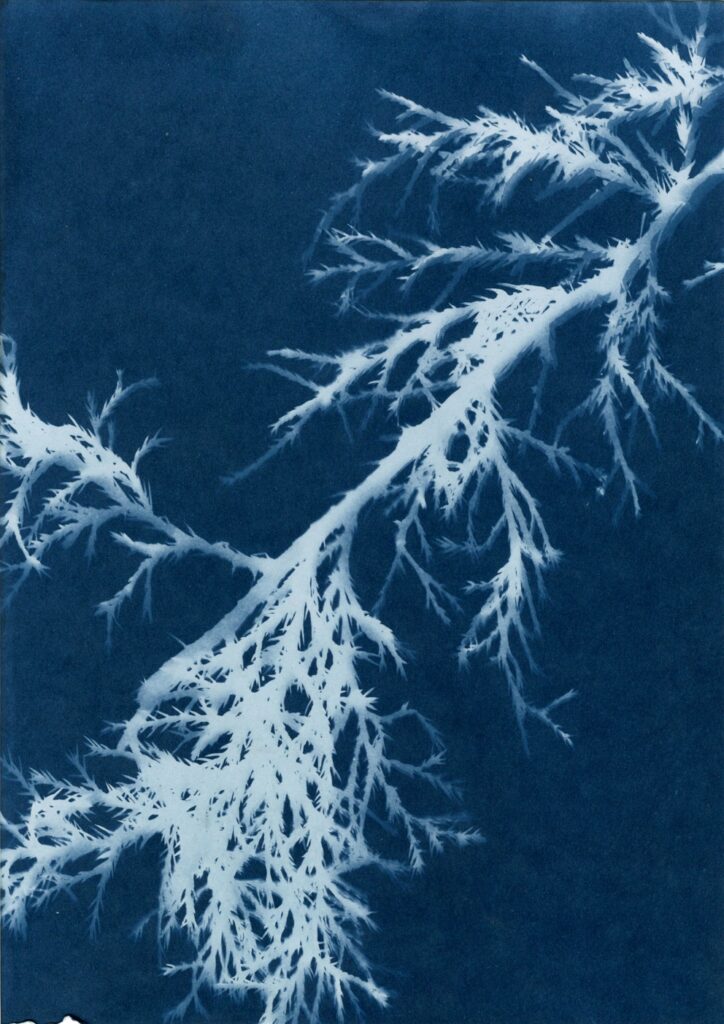
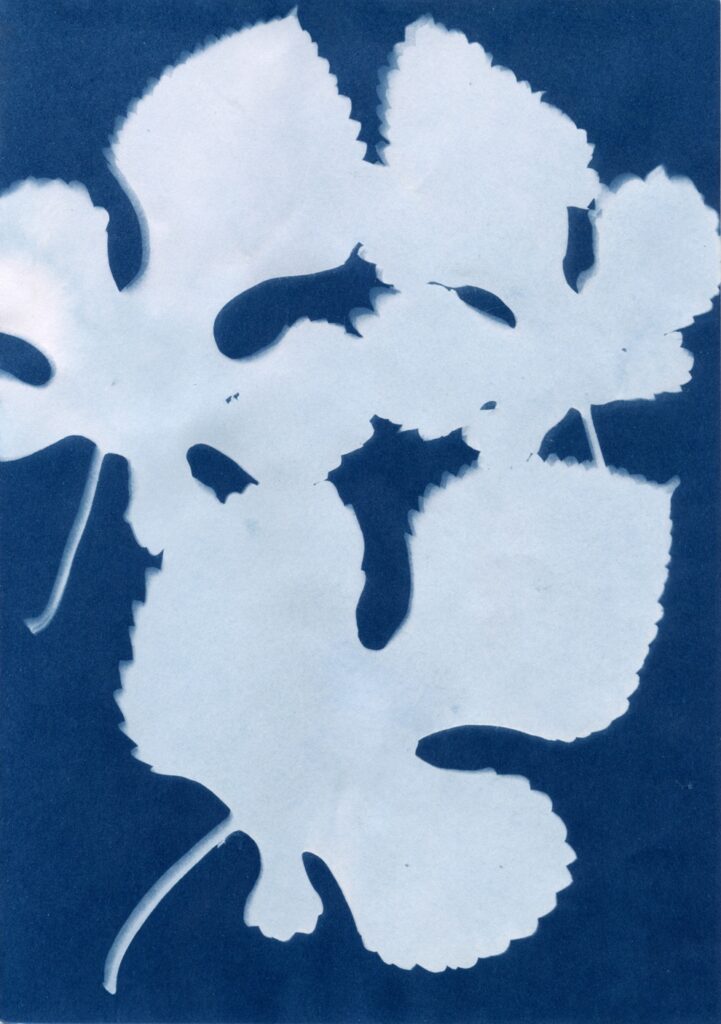
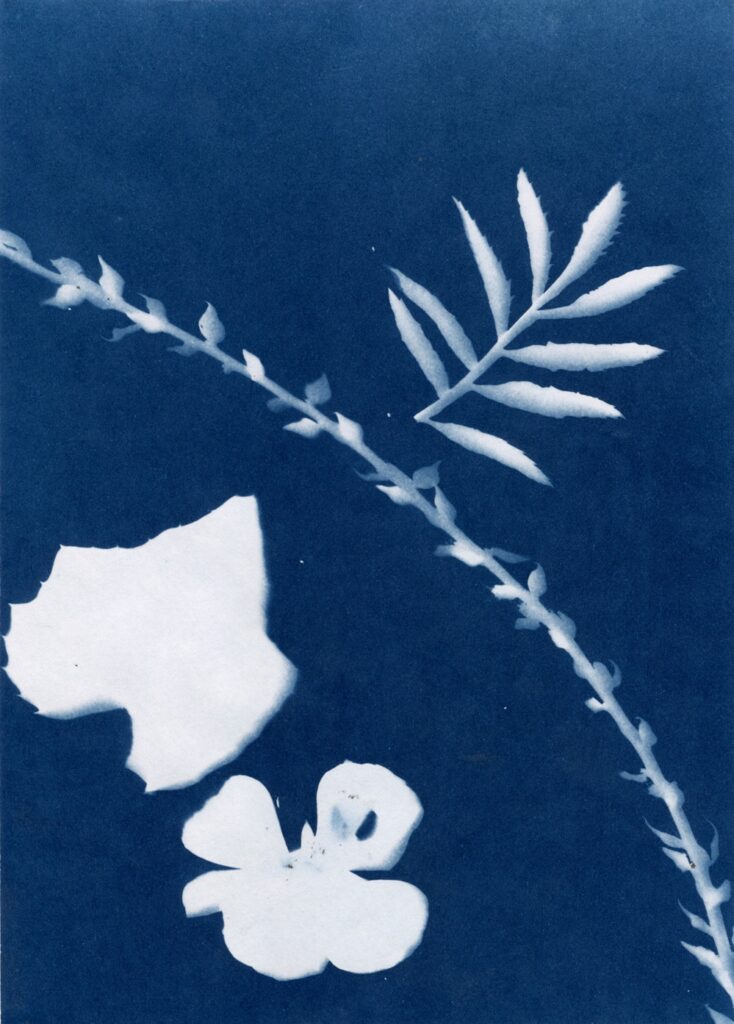
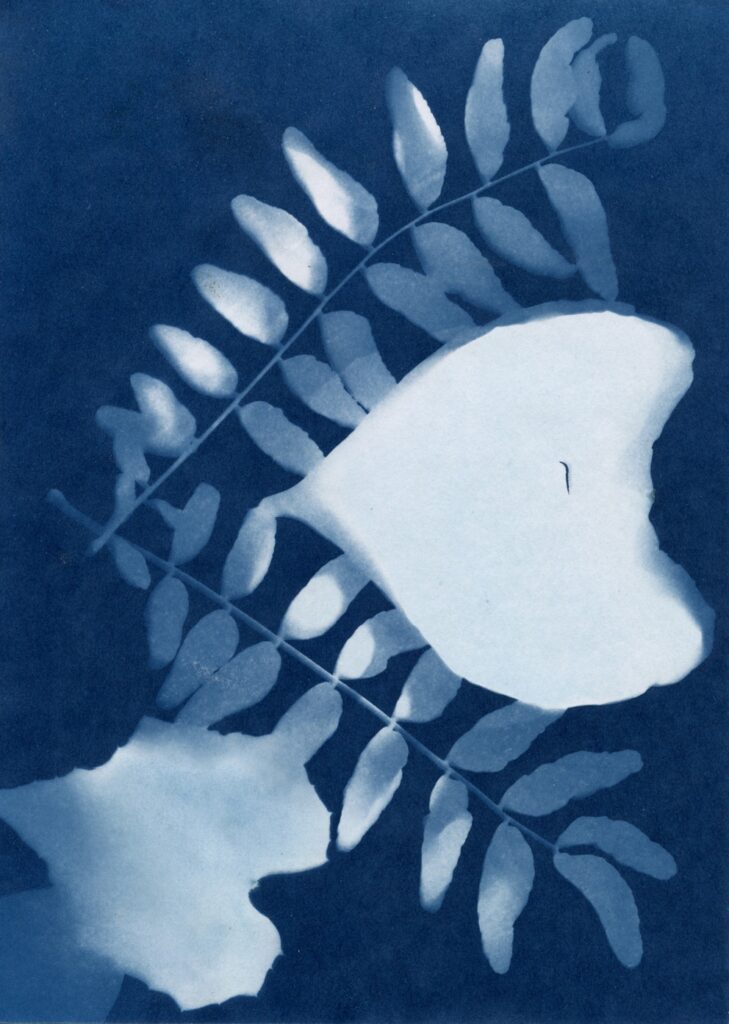
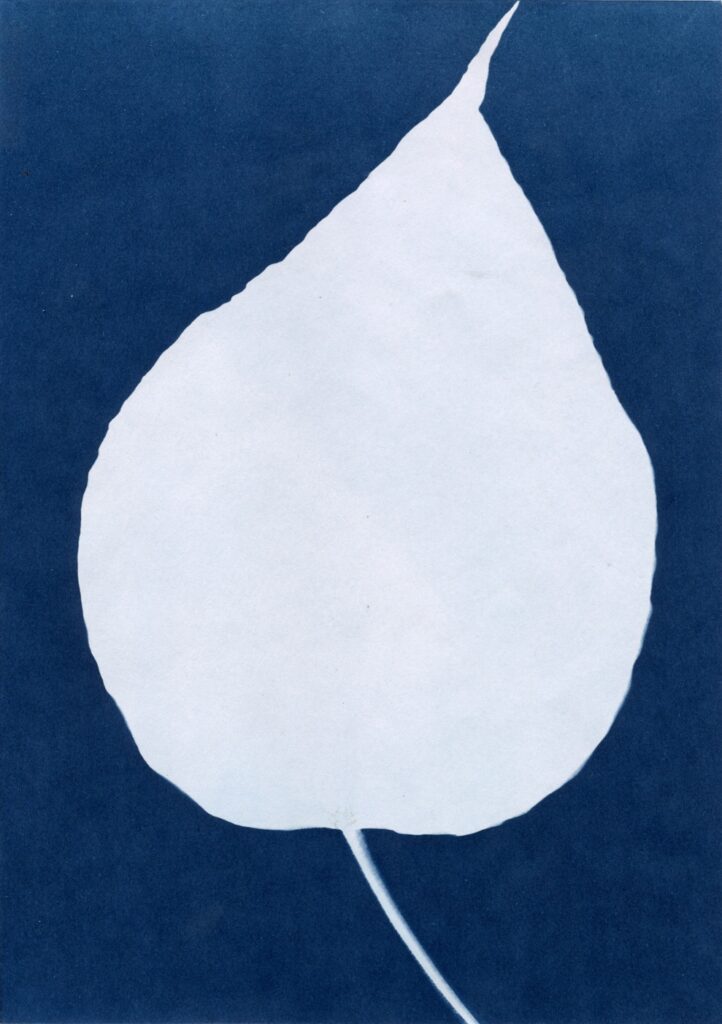
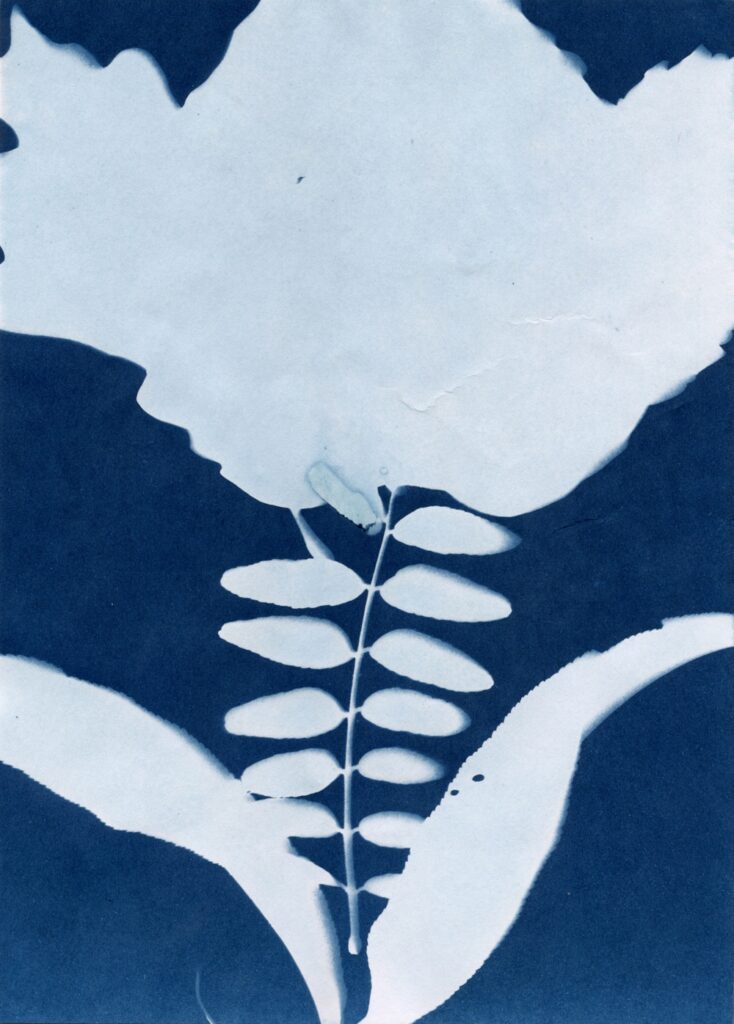
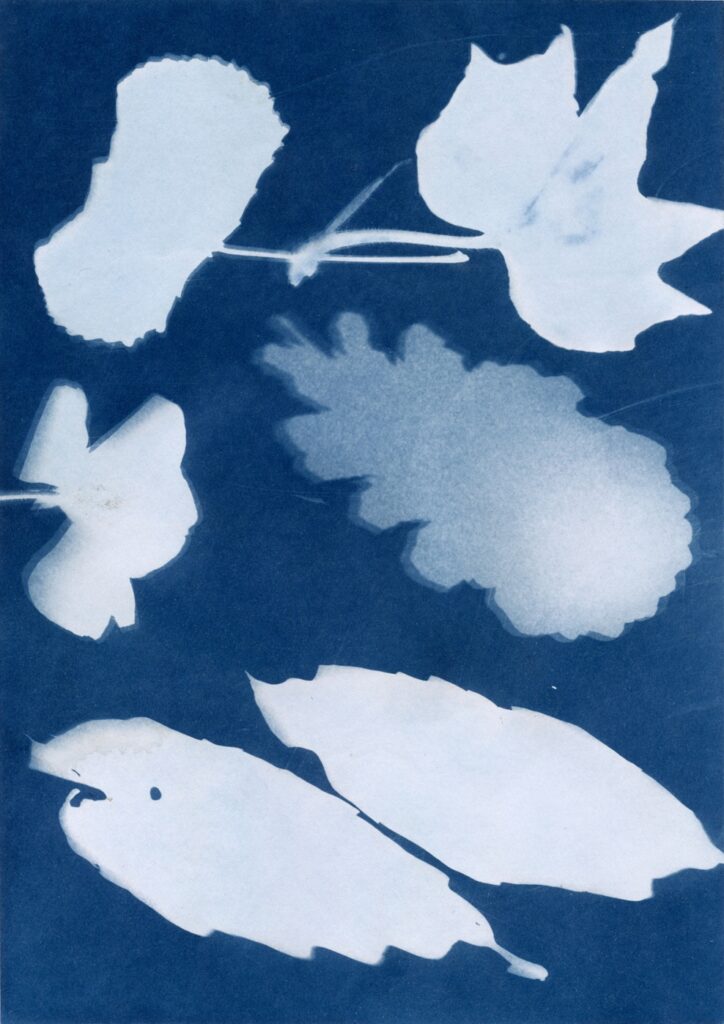
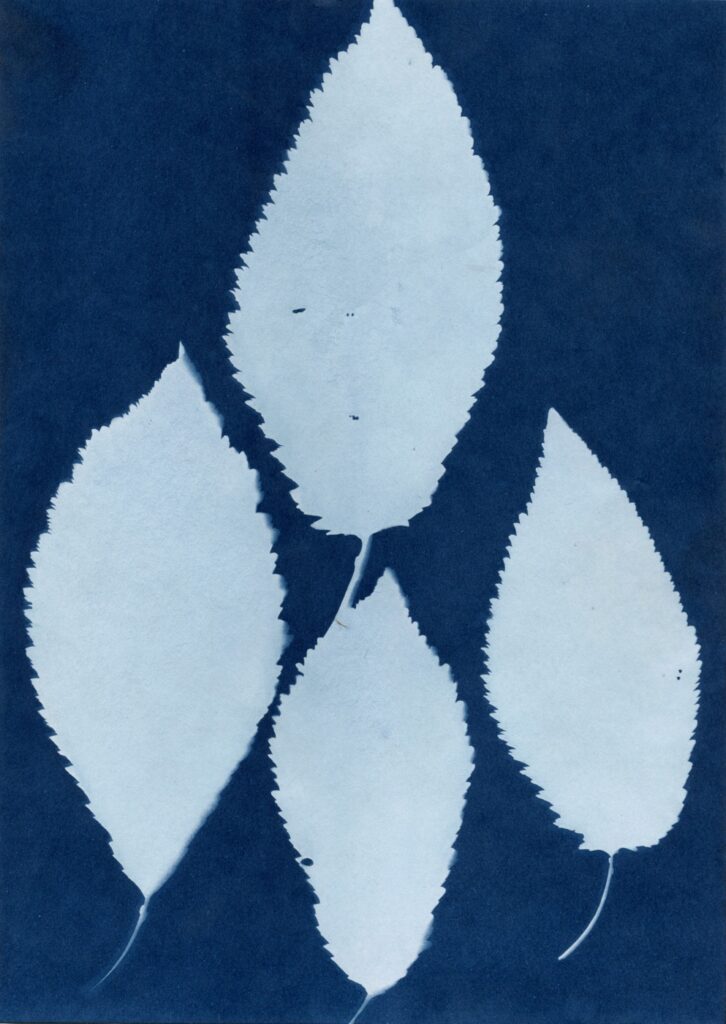
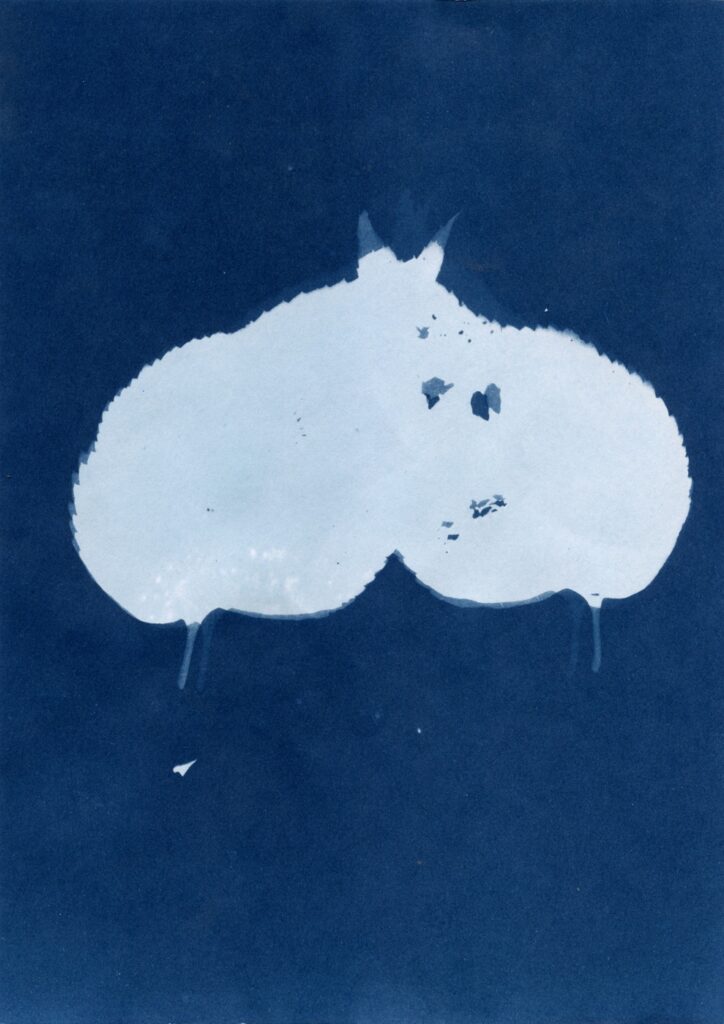
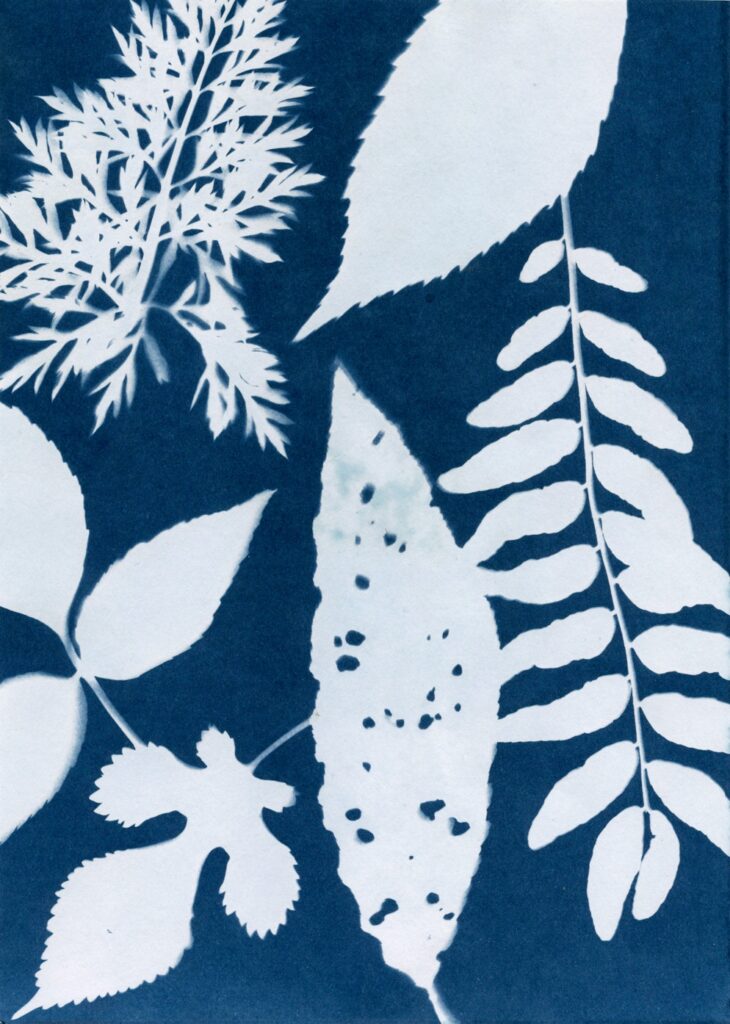
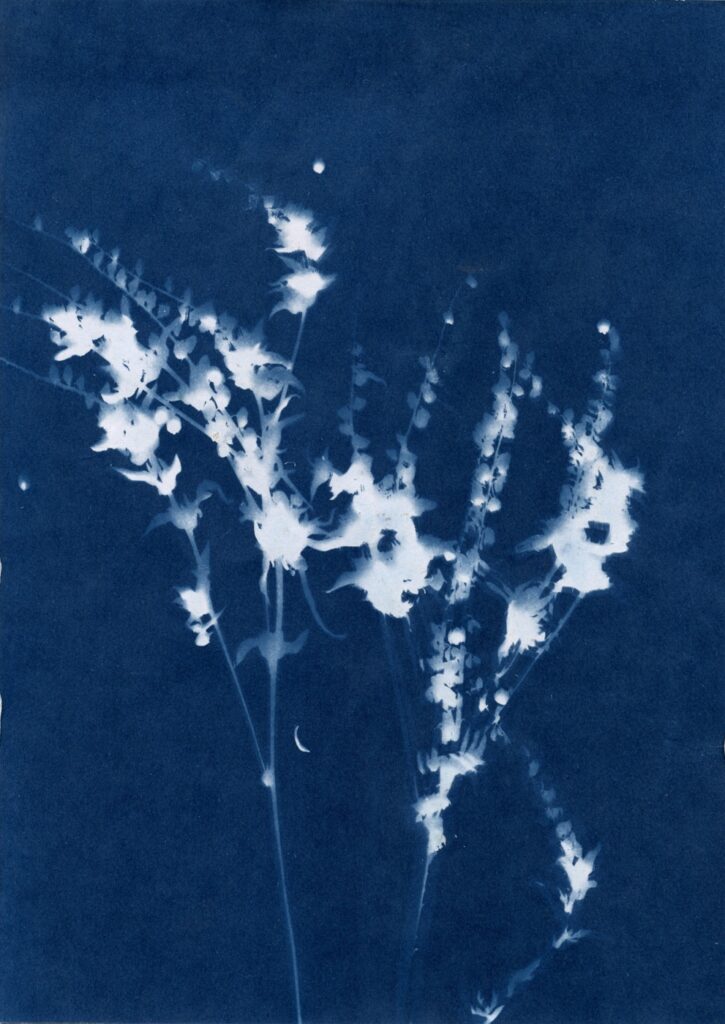
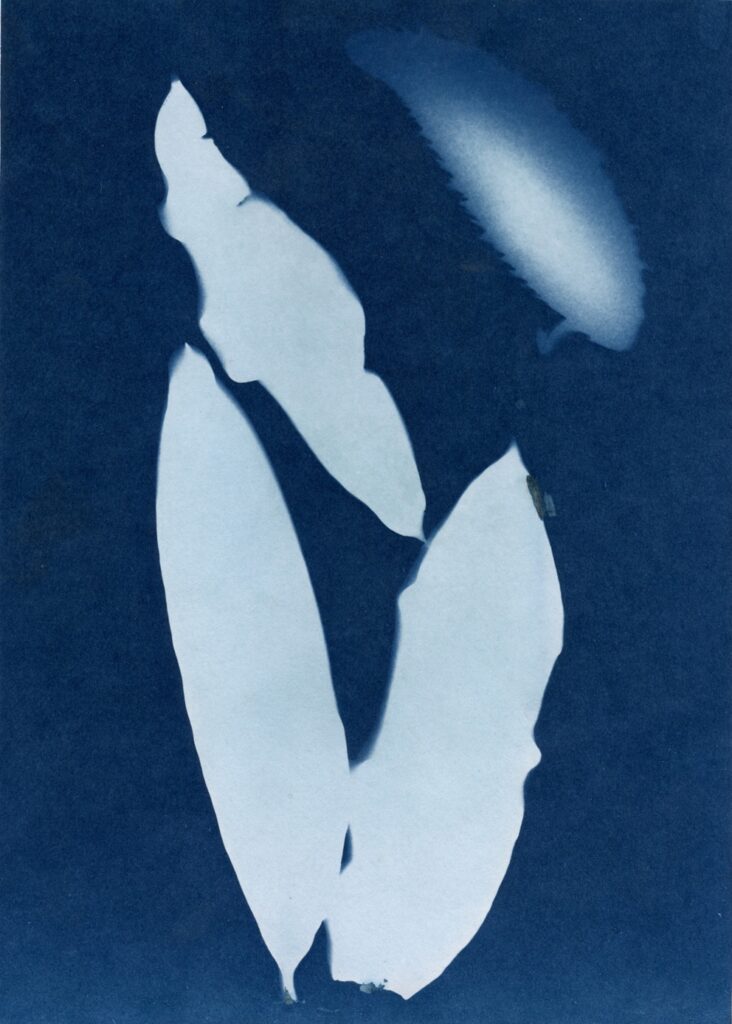
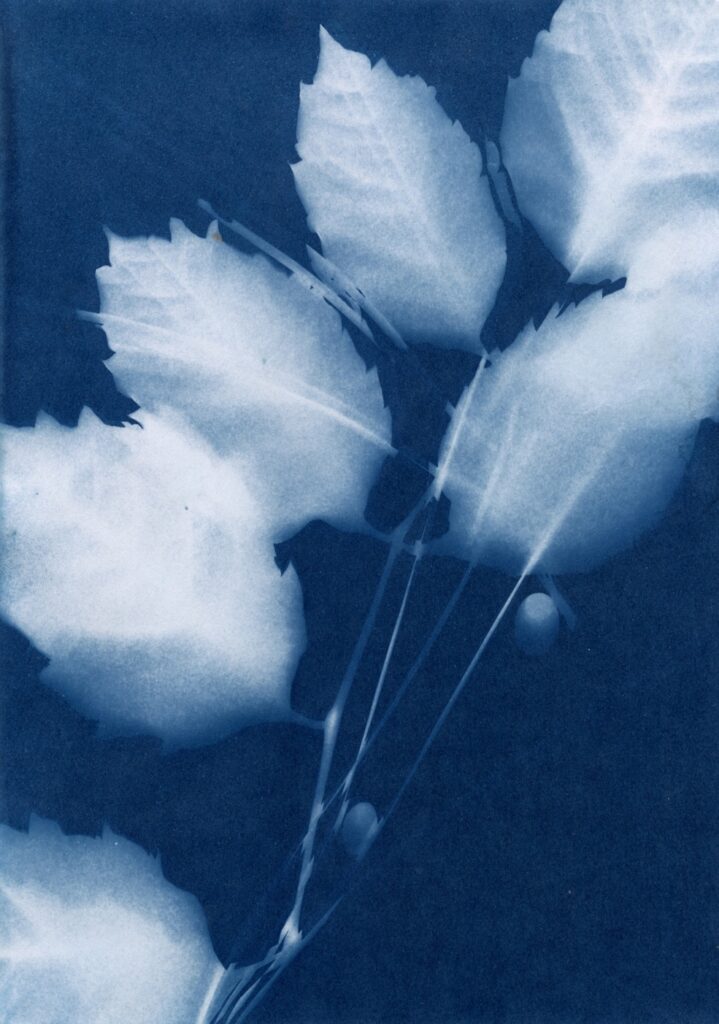
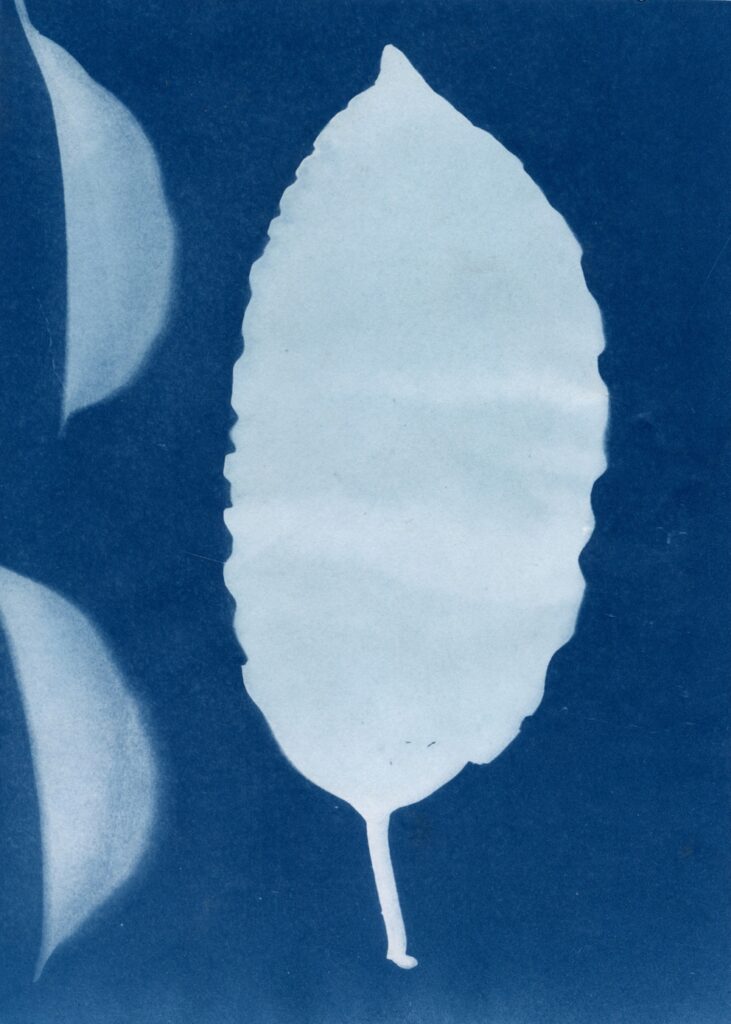
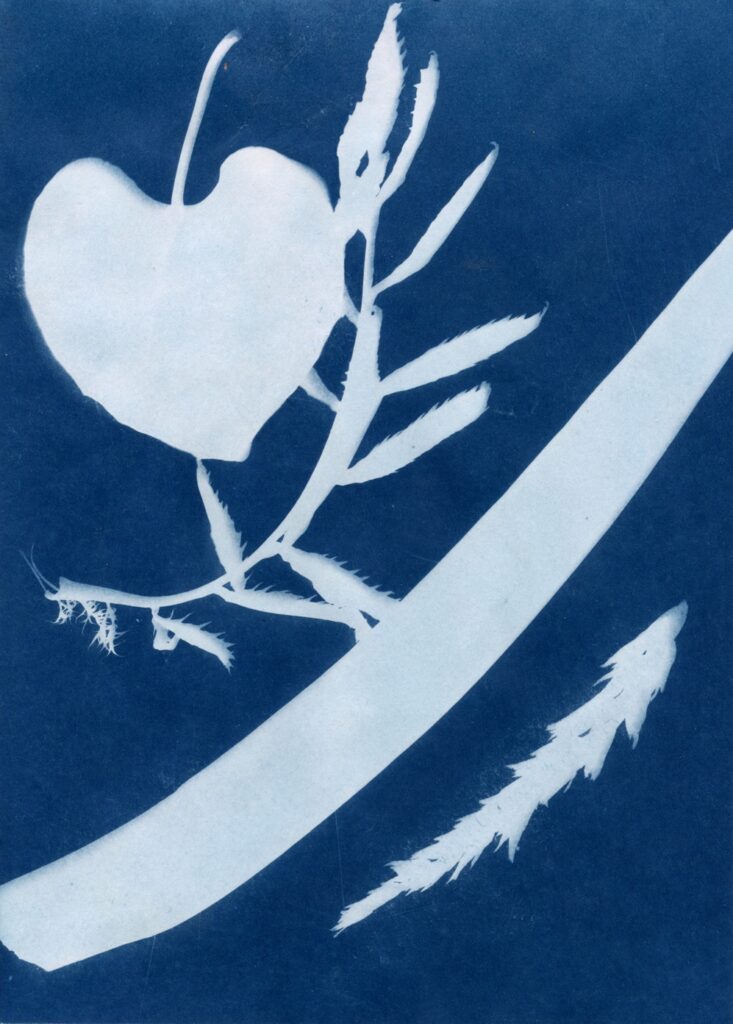
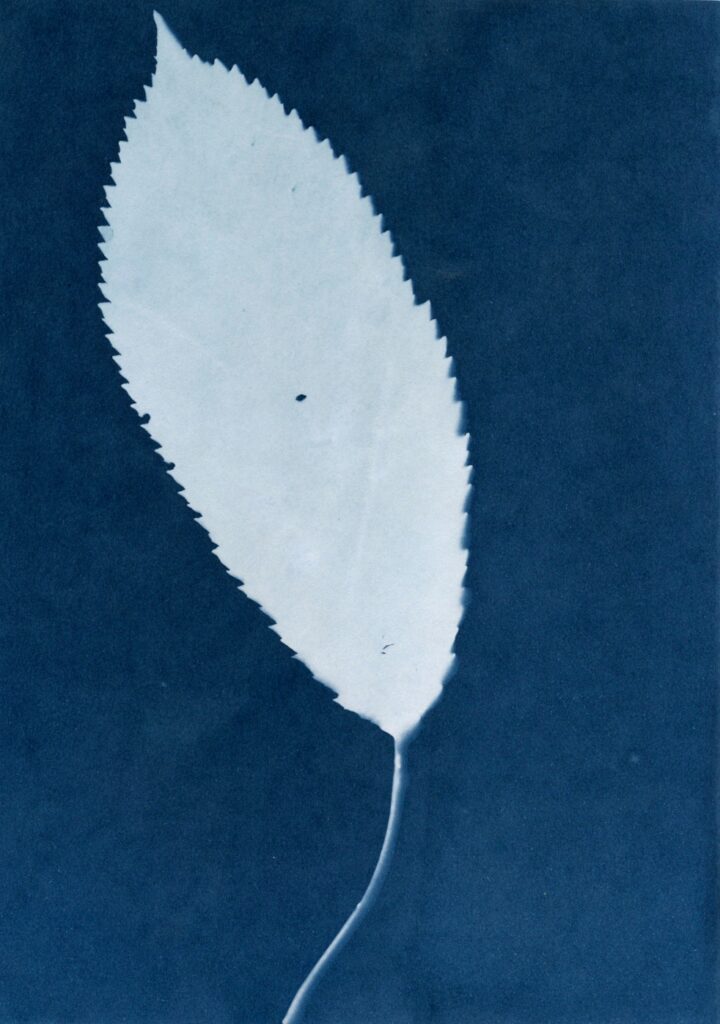
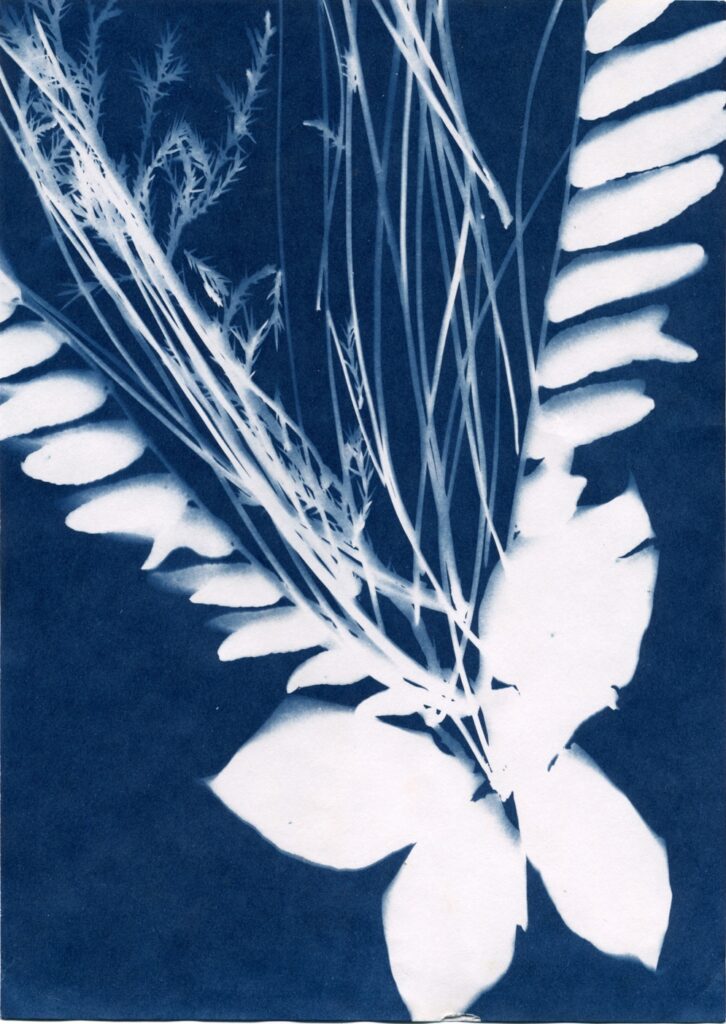
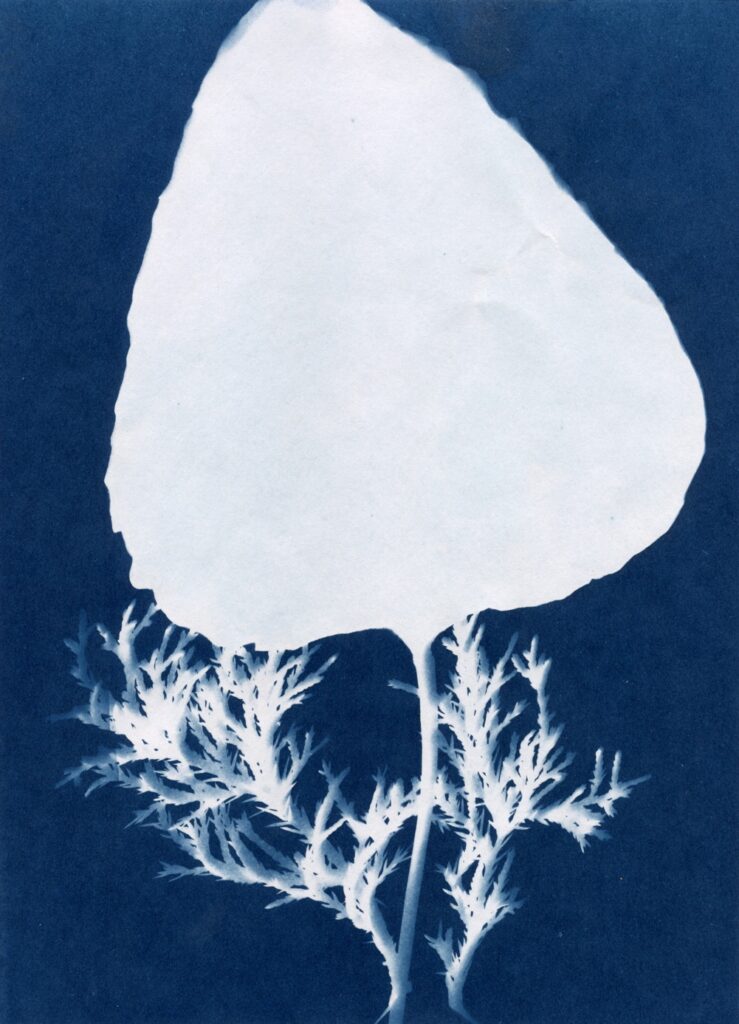
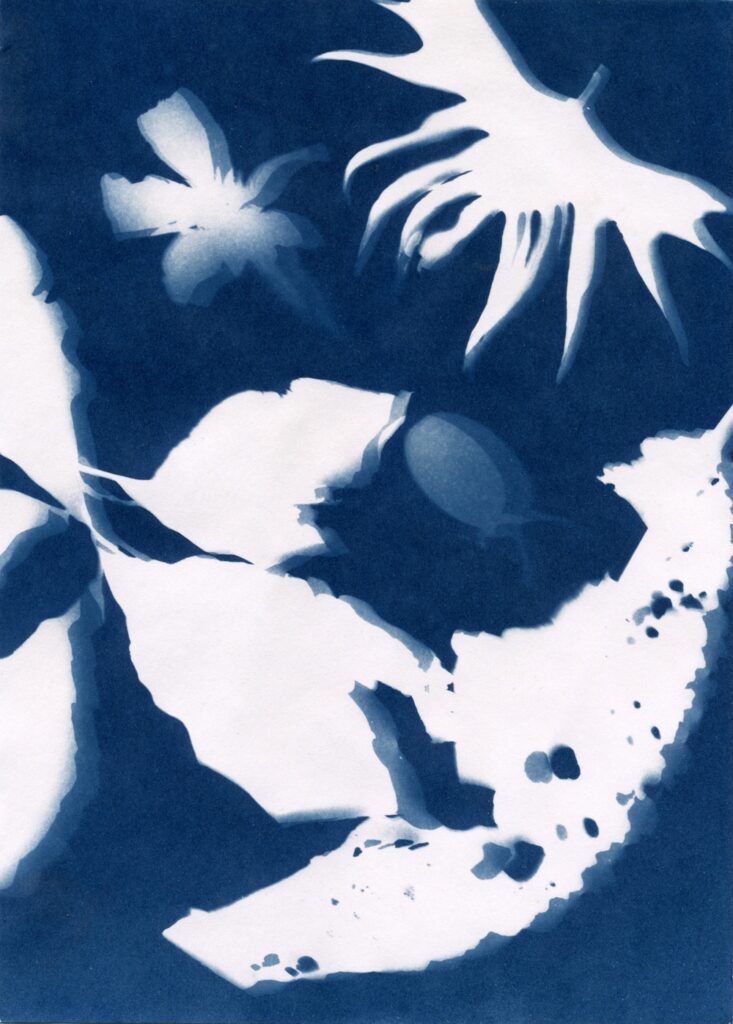
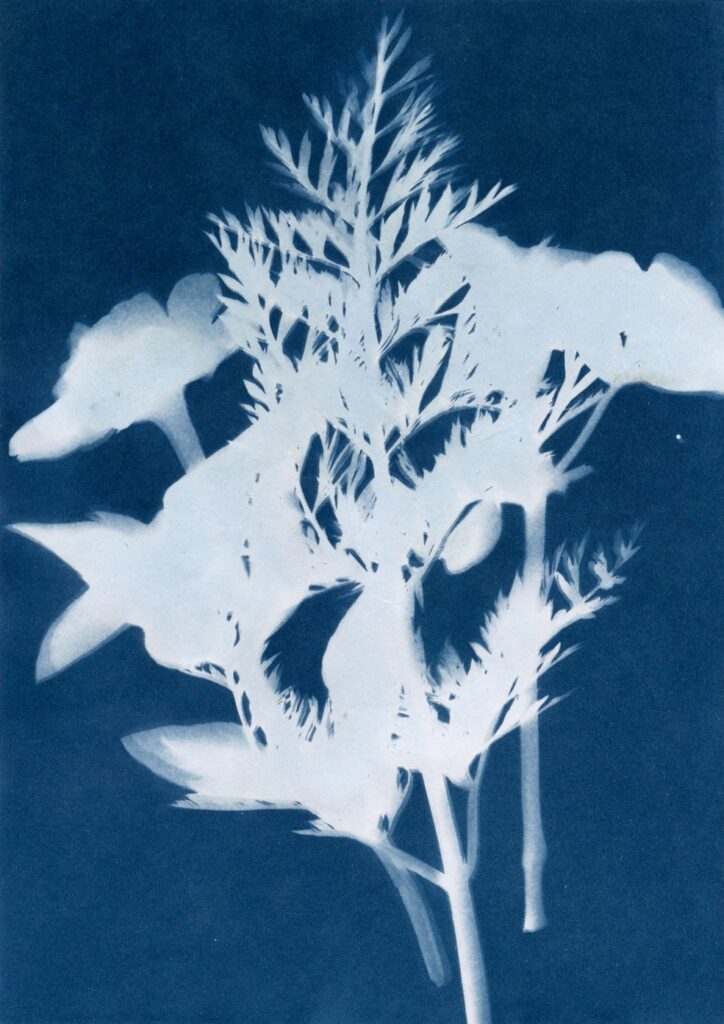
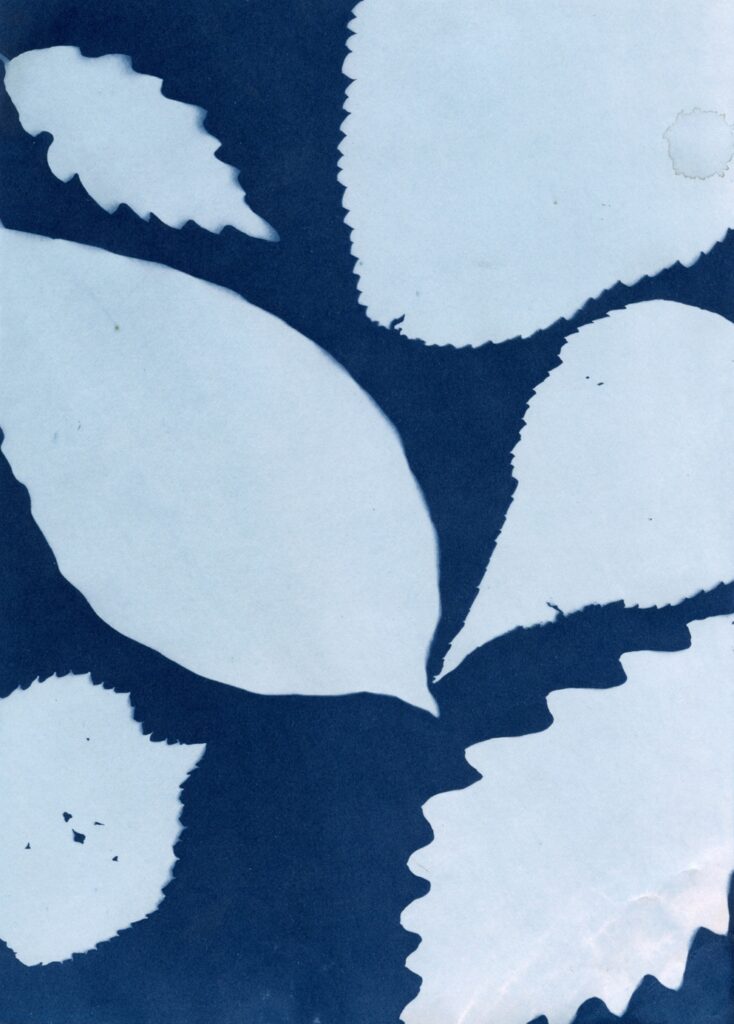
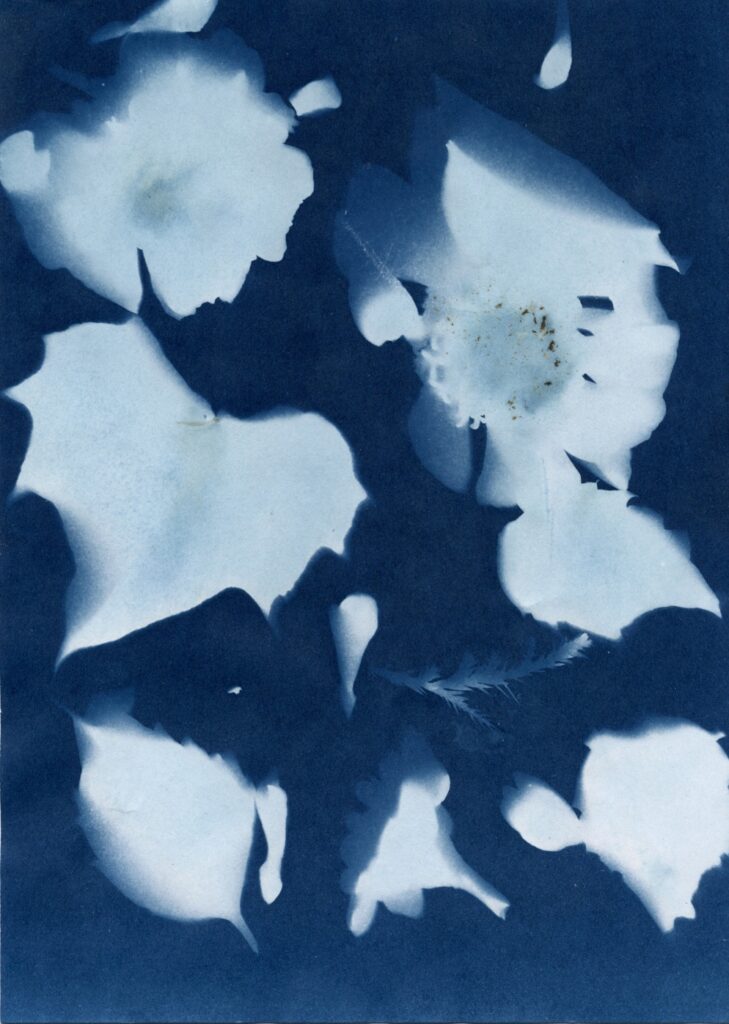
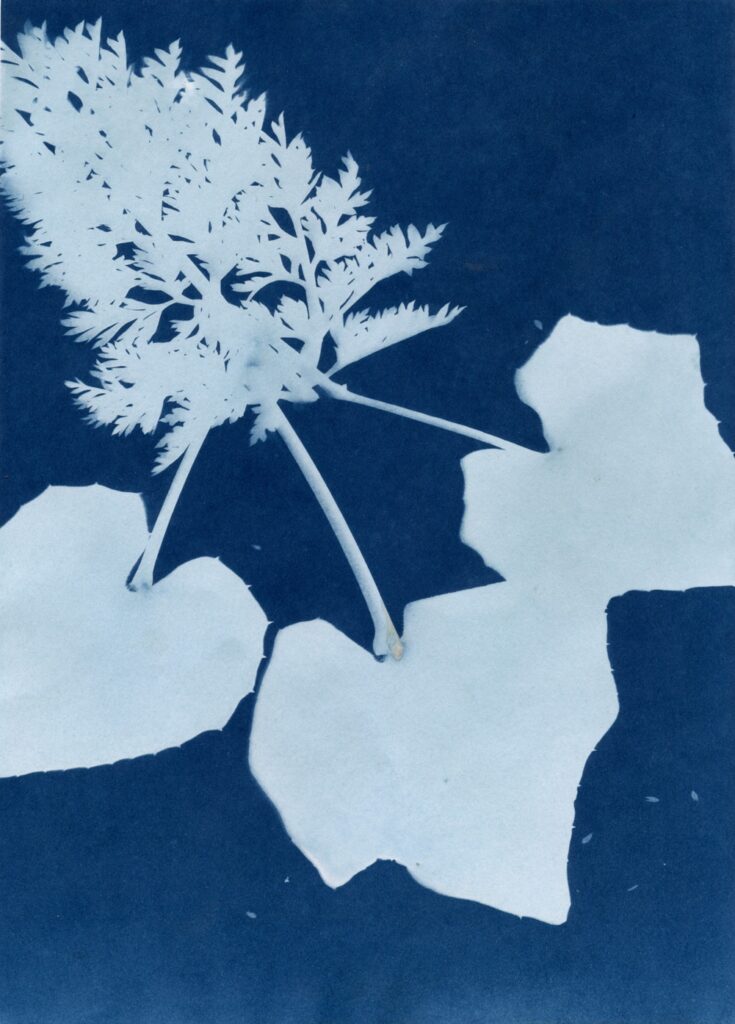
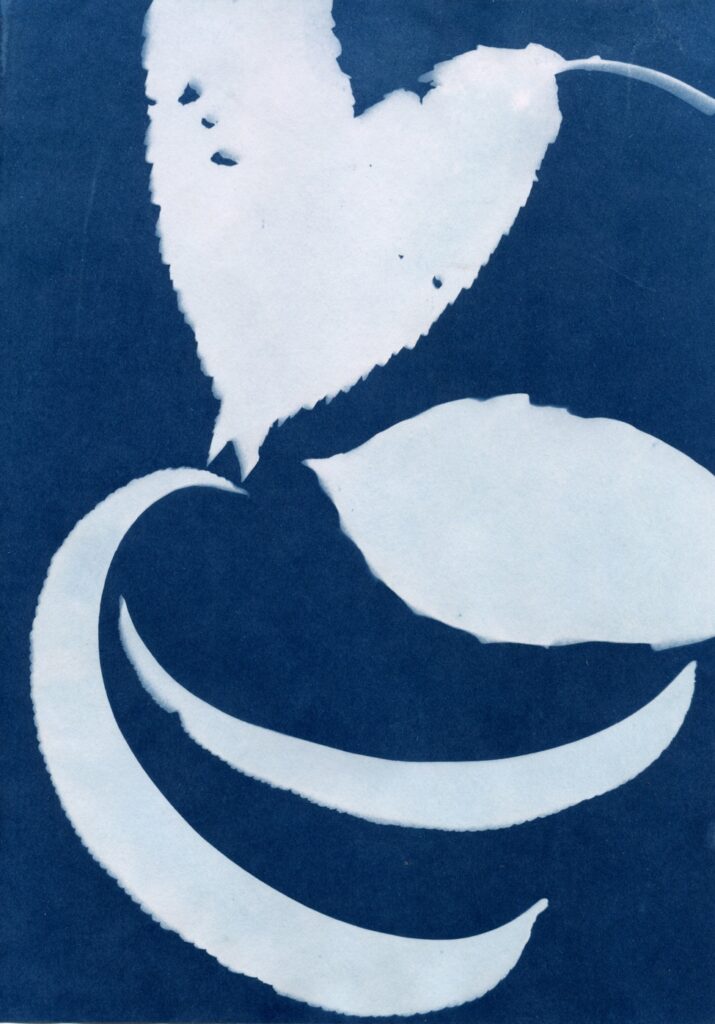
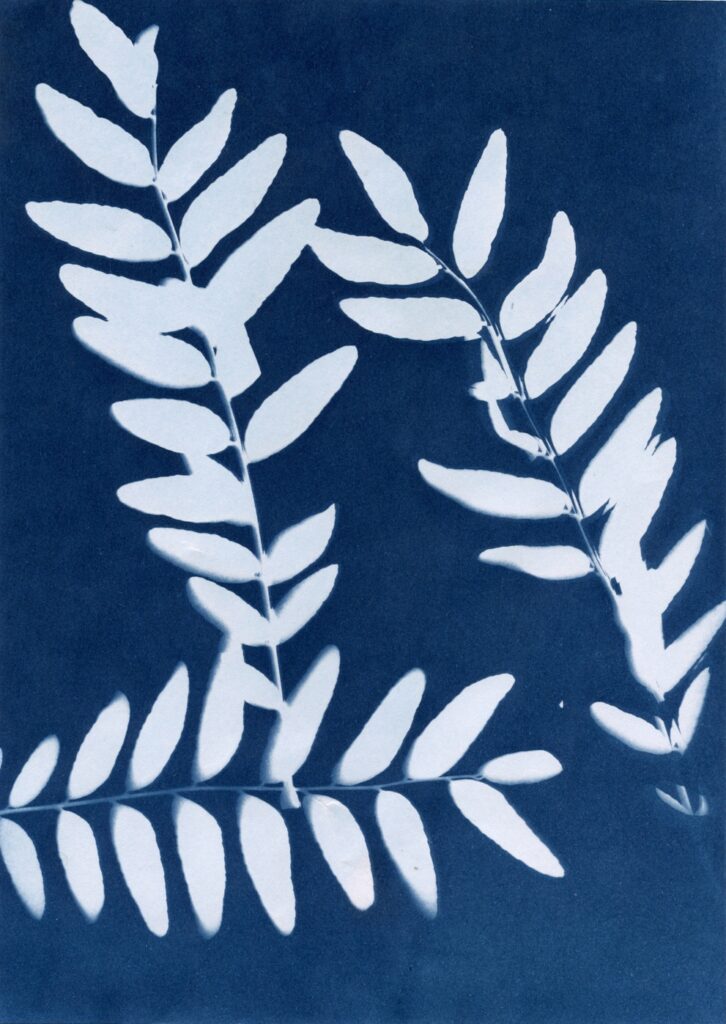
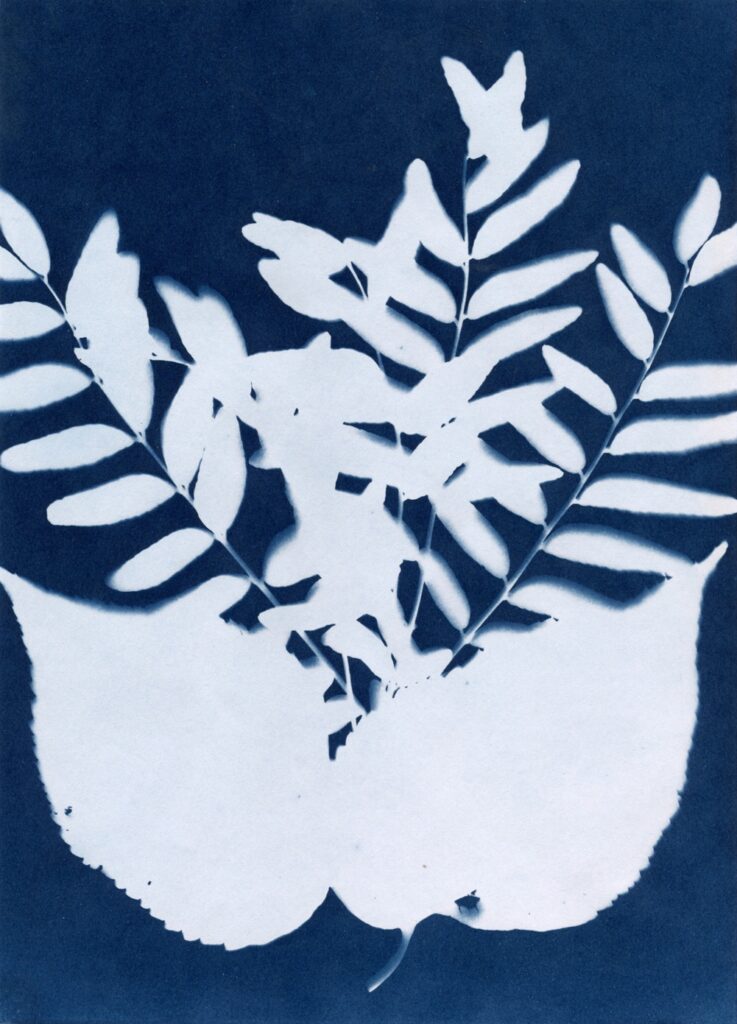
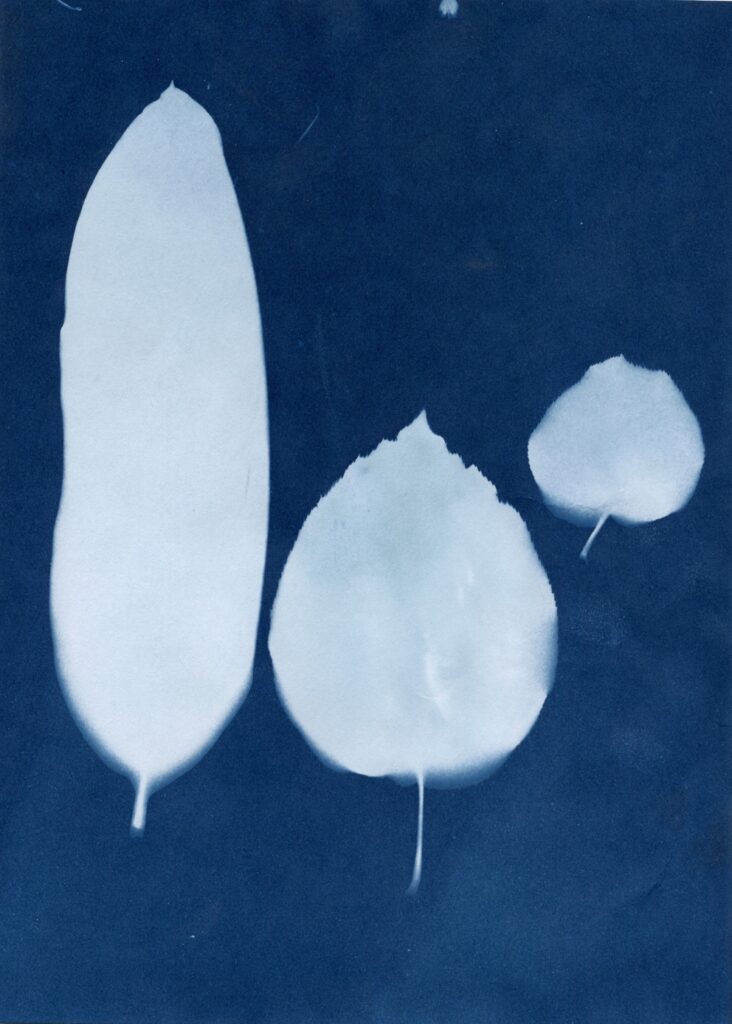
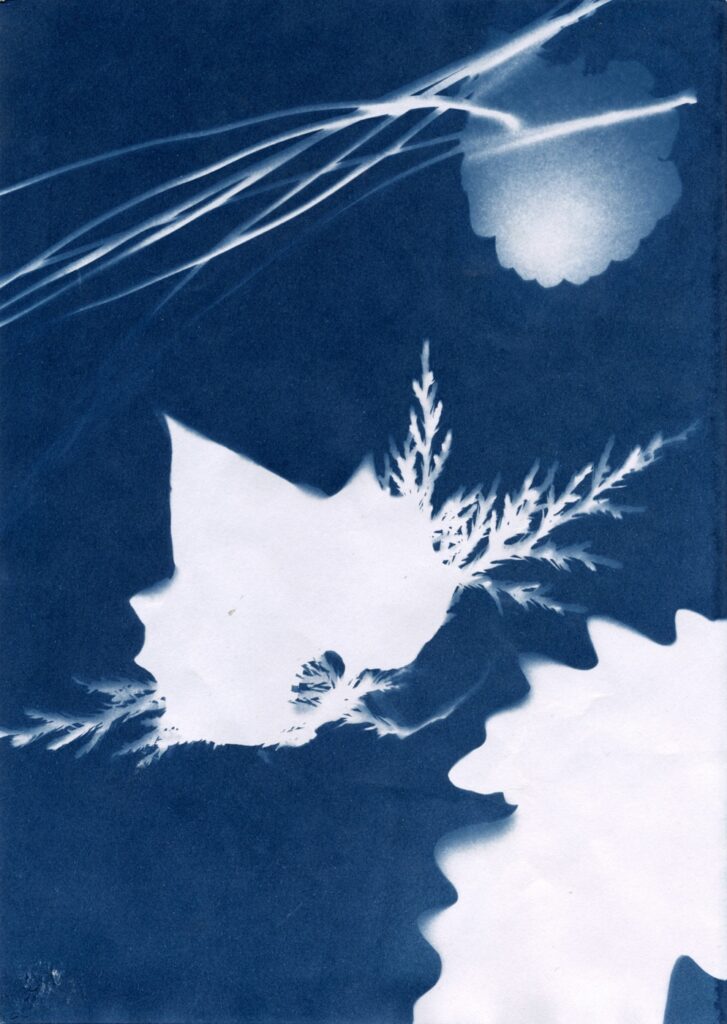
For the 2025 Art, Activism, Policy, Power program, MoCP paired artist and environmental activist Colleen Plumb with youth artists from South Shore College Prep and Prosser Career Academy. Students created unique cyanotype photograms using materials from the trees that surround their schools. This digital exhibition showcases their compositions that embody their collaboration with leaves, flowers, branches, and seed pods to create prints that highlight the importance of a healthy urban tree canopy.
Trees require water and nutrients to move through their life cycles, much like the basic needs humans require to survive. Terms such as “family trees” and “roots” reflect metaphorical connections between people and the natural canopy, linking individuals and communities to identity and shared values. Like fingerprints, DNA, and human genetics, trees also have identity markers that reveal information unique to each individual tree. The patterns found in tree rings record years of growth and environmental conditions, much as human genetics can reflect behaviors and experiences passed down through generations. Studies have also shown that interaction with urban ecology can improve mental health and support healing, echoing the way human connection strengthens well-being and social health.
Trees are not merely props in our everyday lives but living beings that contribute to the overall health of the places we cohabit. They help cleanse the air by converting carbon dioxide into oxygen through photosynthesis and by filtering air pollutants. In the summertime, trees also provide shade and help cool the surrounding air. However, trees are not planted proportionately across residential areas in the United States. Low-income and minority communities can have up to 40 percent less tree canopy than whiter, wealthier neighborhoods. This disparity contributes to higher summer temperatures, increasing the risk of heat stroke and heat-related stress, as well as other health concerns such as asthma in systemically under-resourced communities.
By inviting young artists to observe, gather, and create with the trees in their neighborhoods, Colleen Plumb opened a space for curiosity, care, and advocacy to take root. Students explored a photographic process that recorded their compositions with natural materials directly onto light sensitive paper. They were introduced to a deeper creative and intellectual awareness of their everyday environments, reinforcing that the health of their communities and the health of the urban forests around them are inseparable.
The Cyan Sea of Collaboration
Works by students at South Shore College Preparatory High School
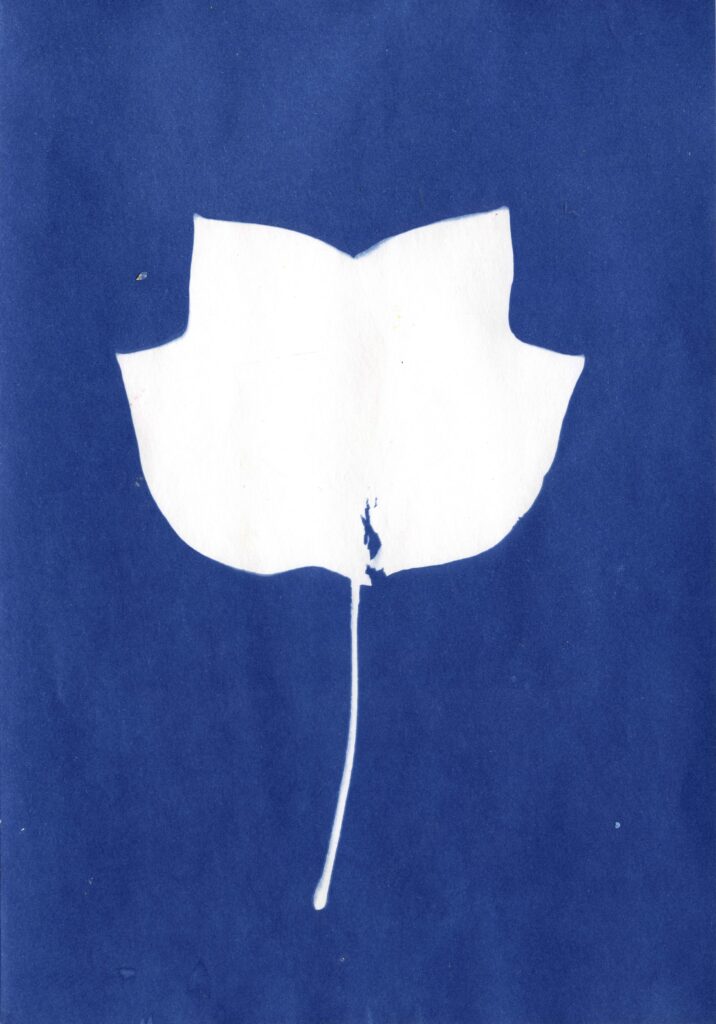
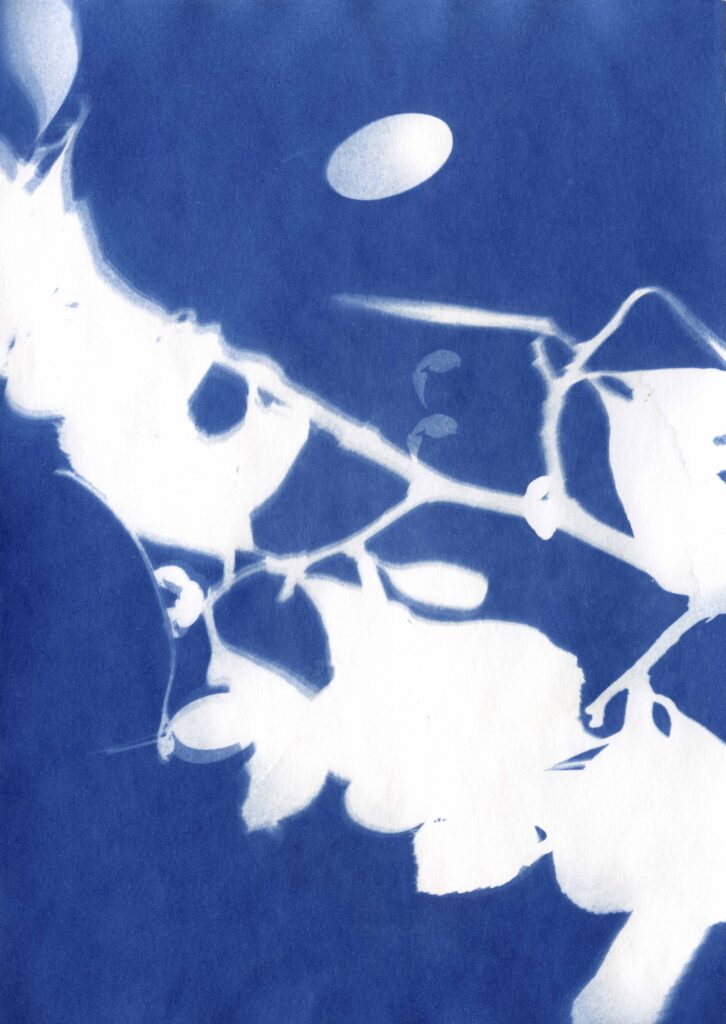



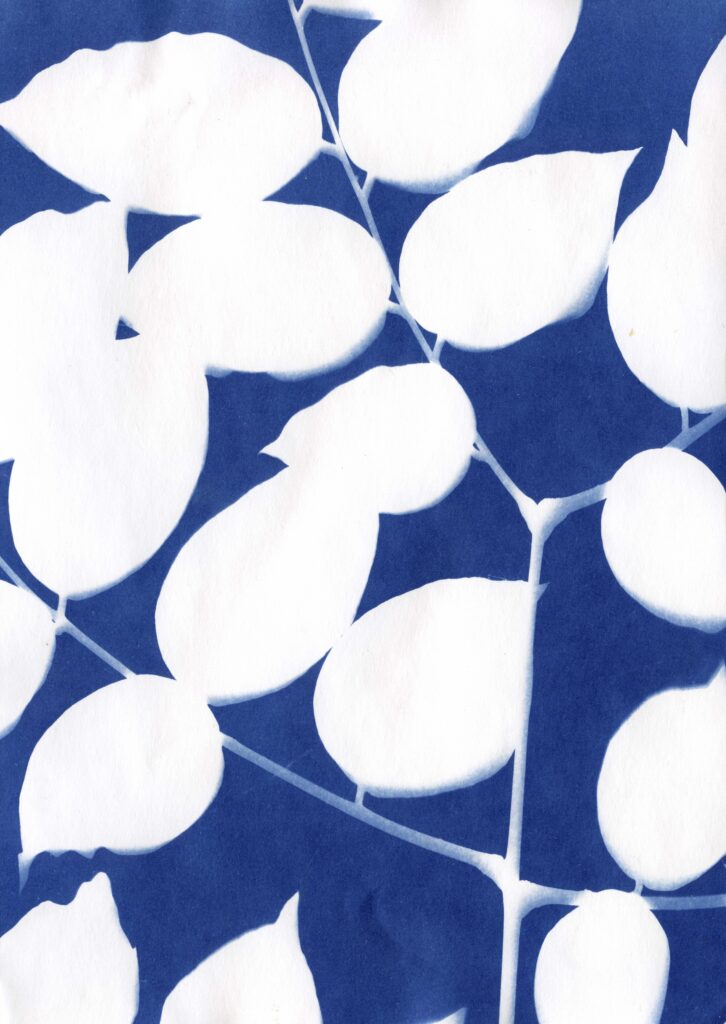
Works by students at Prosser Career Academy
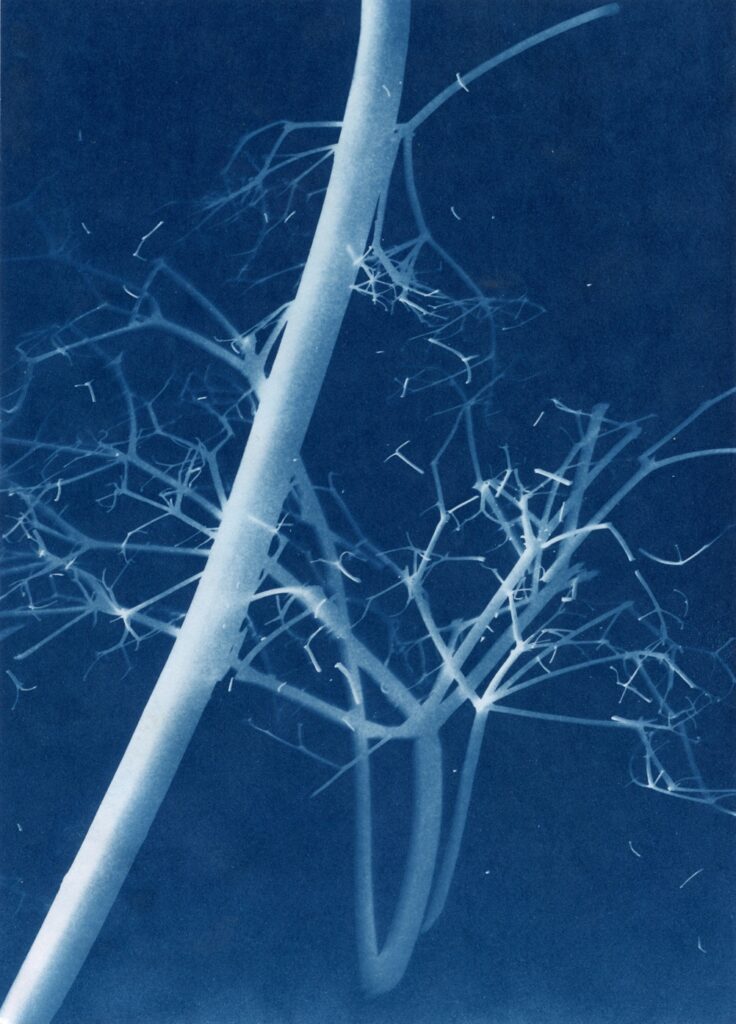




Images from Program Activations